Why Niacinamide Is One of the Best Ingredients for Healthy Skin
When it comes to skincare ingredients that deliver multiple benefits without causing significant irritation, few can compete with niacinamide. Over the past decade, niacinamide has become one of the most recommended ingredients by dermatologists, skincare experts, and beauty professionals worldwide.
Unlike many trendy skincare ingredients that focus on a single concern, niacinamide is remarkably versatile. It can help improve skin barrier function, reduce redness, regulate oil production, minimize the appearance of pores, improve uneven skin tone, and support overall skin health.
The best part is that niacinamide works well for almost every skin type, making it one of the most valuable additions to a skincare routine. Whether you have oily skin, dry skin, acne-prone skin, sensitive skin, or mature skin, niacinamide may offer noticeable benefits.
In this guide, we’ll explore what niacinamide is, how it works, its major skincare benefits, and why it has earned a reputation as one of the best ingredients for healthy skin.
What Is Niacinamide?
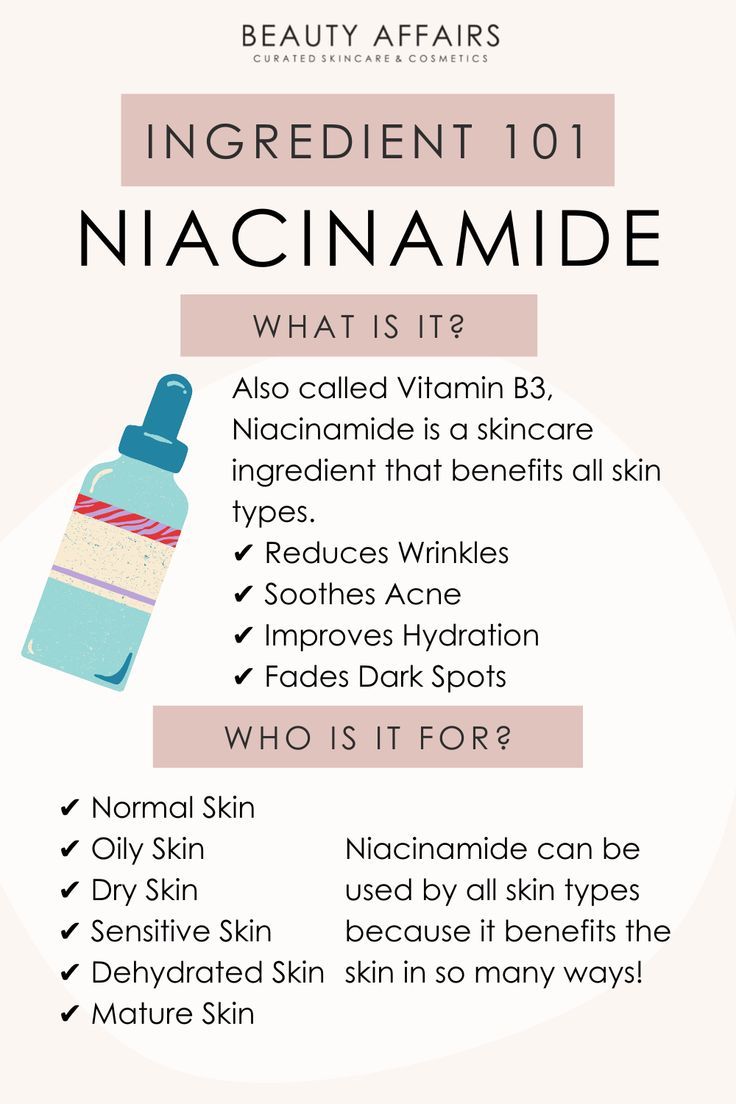
Niacinamide is a form of Vitamin B3, an essential nutrient that supports various biological functions within the body.
In skincare, niacinamide is used as an active ingredient that helps improve skin function and appearance. It works by supporting the skin barrier, reducing inflammation, and improving the skin’s ability to retain moisture.
Because it is generally well tolerated, niacinamide has become a staple ingredient in many serums, moisturizers, cleansers, and treatment products.
Why Niacinamide Is So Popular
Many skincare ingredients are designed to target one specific issue. For example, salicylic acid is commonly used for acne, while retinol is often used for signs of aging.
Niacinamide is different because it addresses multiple concerns at the same time.
It can help:
- Strengthen the skin barrier
- Improve hydration
- Reduce redness
- Control excess oil
- Fade discoloration
- Minimize enlarged pores
- Support healthy aging
This broad range of benefits makes it suitable for nearly everyone.
Strengthens the Skin Barrier
One of niacinamide’s most important functions is supporting the skin barrier.
The skin barrier acts as a protective shield that prevents moisture loss while protecting the skin from pollutants, irritants, and environmental damage.
When the barrier becomes weakened, the skin may become dry, sensitive, irritated, or prone to breakouts.
Niacinamide helps strengthen this protective layer by supporting the production of ceramides and other essential lipids naturally found in the skin.
A stronger barrier often leads to healthier, calmer, and more resilient skin.
Helps Improve Skin Hydration
Healthy skin requires both water and moisture to function properly.
When the skin barrier is compromised, moisture escapes more easily, resulting in dryness and dehydration.
Niacinamide helps improve the skin’s ability to retain moisture, allowing it to stay hydrated for longer periods.
As hydration levels improve, the skin often feels softer, smoother, and more comfortable throughout the day.
This benefit makes niacinamide particularly useful for people with dry or dehydrated skin.
Reduces Redness and Inflammation
Many people struggle with redness caused by irritation, sensitivity, acne, or environmental factors.
Niacinamide possesses anti-inflammatory properties that can help calm visible redness and irritation.
Individuals with sensitive skin often appreciate niacinamide because it provides benefits without the aggressive effects associated with some stronger skincare ingredients.
Over time, regular use may help create a more balanced and even-looking complexion.
Supports Acne-Prone Skin
Niacinamide has become increasingly popular among individuals who experience frequent breakouts.
While it is not a traditional acne treatment like salicylic acid or benzoyl peroxide, it can still play an important role in acne management.
Its anti-inflammatory properties help calm irritated blemishes, while its oil-regulating effects may reduce excessive sebum production.
Additionally, because niacinamide helps strengthen the skin barrier, it can support recovery from acne treatments that may otherwise cause dryness and irritation.
For many people, niacinamide serves as an excellent complementary ingredient in an acne-focused skincare routine.
Helps Control Excess Oil Production
Oily skin can lead to unwanted shine, clogged pores, and frequent breakouts.
Research suggests that niacinamide may help regulate oil production, making it particularly beneficial for individuals with oily or combination skin.
By helping balance sebum levels, niacinamide can contribute to a fresher and less greasy appearance throughout the day.
Unlike harsh oil-control products that may strip the skin, niacinamide works in a more balanced and supportive manner.
Minimizes the Appearance of Enlarged Pores
Large pores are a common skincare concern.
While pore size is largely determined by genetics, certain factors such as excess oil production, aging, and reduced skin elasticity can make pores appear larger.
Niacinamide may help reduce the appearance of enlarged pores by improving skin texture, regulating oil production, and supporting overall skin health.
Although it cannot physically shrink pores, it can make them appear less noticeable over time.
Improves Uneven Skin Tone
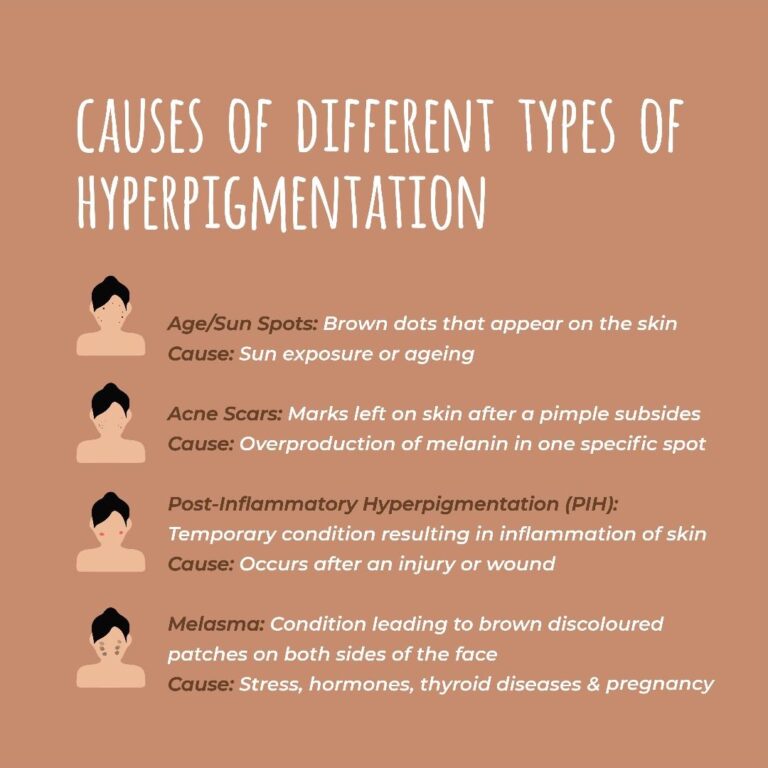
Uneven skin tone is often caused by sun damage, inflammation, acne marks, or hyperpigmentation.
Niacinamide helps improve skin clarity by reducing the transfer of pigment within the skin.
This process can gradually fade dark spots and discoloration, resulting in a more even complexion.
Many people notice improvements in skin brightness after several weeks of consistent use.
Because niacinamide works gradually, patience and consistency are important.
Supports Healthy Aging
As we age, the skin naturally experiences changes in elasticity, hydration, and overall structure.
Niacinamide supports healthy aging by improving barrier function, boosting hydration, and reducing the appearance of fine lines.
It also helps protect the skin from environmental stressors that contribute to premature aging.
While niacinamide is not as aggressive as ingredients like retinol, it offers anti-aging benefits with a significantly lower risk of irritation.
This makes it an excellent option for individuals seeking a gentler approach to maintaining youthful-looking skin.
Works Well With Other Skincare Ingredients
One of the reasons niacinamide is so widely used is its compatibility with other ingredients.
It works effectively alongside:
- Hyaluronic Acid
- Ceramides
- Vitamin C
- Retinol
- Peptides
- Salicylic Acid
This flexibility allows it to fit easily into most skincare routines.
Whether your goal is hydration, acne management, anti-aging, or brightening, niacinamide can often complement your existing products.
How to Use Niacinamide in Your Routine
Niacinamide is most commonly found in serums and moisturizers.
For most people, applying a niacinamide serum after cleansing and before moisturizing works well.
A simple routine may include:
Morning:
Cleanser, niacinamide serum, moisturizer, sunscreen.
Evening:
Cleanser, niacinamide serum, moisturizer.
Consistency is more important than using large amounts of product.
Most users can safely incorporate niacinamide into both morning and evening routines.
What Percentage of Niacinamide Is Best?
Many products contain niacinamide concentrations ranging from 2% to 20%.
For most individuals, concentrations between 4% and 10% provide excellent results without excessive irritation.
Higher percentages are not always better.
In some cases, very strong formulations may increase the likelihood of redness or sensitivity without offering significantly greater benefits.
Choosing a well-formulated product is often more important than selecting the highest concentration available.
Is Niacinamide Safe for Sensitive Skin?
One of niacinamide’s greatest advantages is its gentle nature.
Most people tolerate niacinamide extremely well, including individuals with sensitive skin.
Unlike some active ingredients that may cause peeling, burning, or significant irritation, niacinamide is generally considered beginner-friendly.
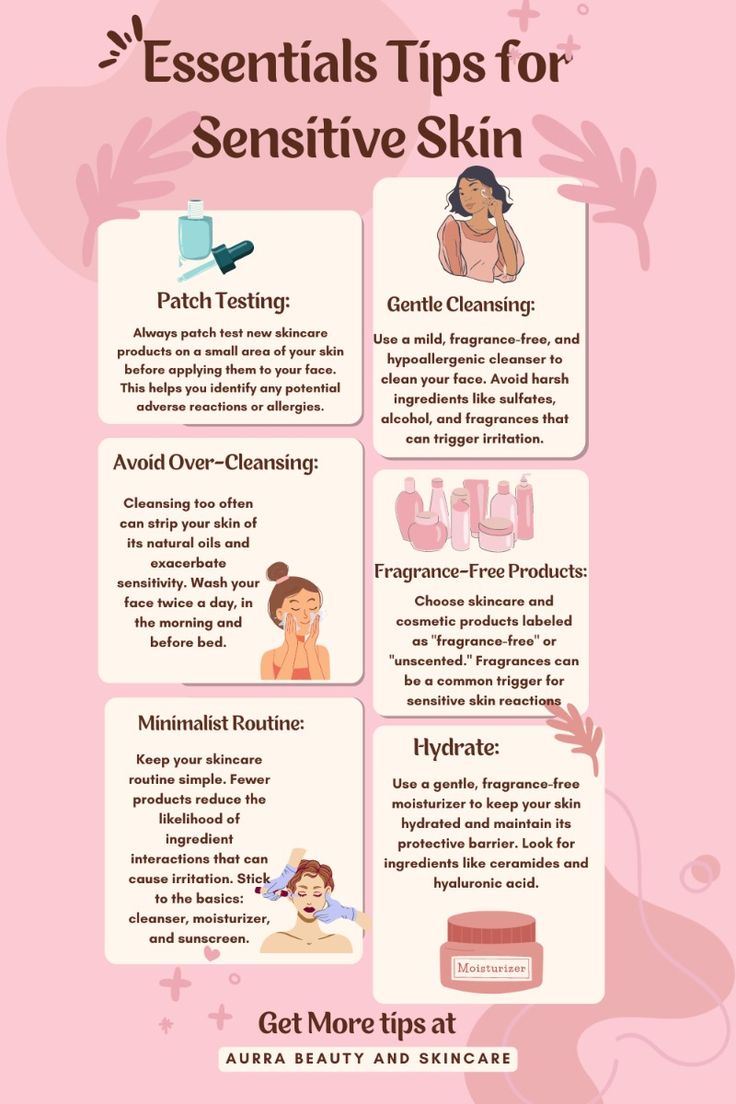
However, as with any skincare product, patch testing is recommended before full application.
This helps identify potential reactions and ensures compatibility with your skin.
How Long Does Niacinamide Take to Work?
Results vary depending on individual skin concerns and product formulations.
Some people notice improvements in hydration and redness within a few weeks.
More significant changes involving dark spots, uneven skin tone, and pore appearance may take several months of consistent use.
Skincare is a long-term process, and niacinamide delivers its best results when used regularly.
Common Mistakes to Avoid
Many people expect immediate results and become discouraged too quickly.
Niacinamide works gradually and should be viewed as a long-term investment in skin health.
Another common mistake is using too many active ingredients at once. While niacinamide is generally compatible with other ingredients, introducing multiple new products simultaneously can make it difficult to evaluate effectiveness.
Consistency, patience, and simplicity often lead to the best outcomes.
Final Thoughts
Niacinamide has earned its place as one of the most respected ingredients in modern skincare. Its ability to strengthen the skin barrier, improve hydration, regulate oil production, reduce redness, support healthy aging, and enhance overall skin tone makes it an incredibly valuable addition to almost any routine.
Unlike many skincare trends that come and go, niacinamide continues to be supported by scientific research and dermatologist recommendations. Its versatility, effectiveness, and gentle nature make it suitable for beginners and experienced skincare enthusiasts alike.
If you’re looking for a single ingredient that can improve multiple aspects of skin health without causing unnecessary irritation, niacinamide is one of the best options available today.