How to Choose the Right Skincare Products for Your Skin: Expert Tips for a Radiant Complexion
Finding the perfect match for your complexion can feel overwhelming with countless options lining the shelves. This guide cuts through the noise and gives you a clear, step‑by‑step method to identify what truly works for your unique skin. By the end, you’ll know exactly how to evaluate formulas, read labels, and build a routine that enhances your natural glow.
- Identify your skin type before selecting any product.
- Prioritize active ingredients that address your specific concerns.
- Check for fragrance‑free, non‑comedogenic labels if you have sensitive or acne‑prone skin.
- Patch test new items on a small area for 48 hours.
- Adjust your routine seasonally and as your skin evolves.
How to Choose the Right Skincare Products for Your Skin
Understanding the core principles behind product selection empowers you to make confident decisions. This section outlines the foundational steps you should follow every time you shop for new skincare.
How to Choose the Right Skincare Products for Your Skin
Begin by assessing your skin’s current condition. Note whether it feels oily, dry, combination, or sensitive, and observe any visible concerns such as redness, acne, or fine lines. This self‑evaluation forms the basis for all subsequent choices.
Furthermore, create a simple checklist that includes skin type, primary goals, and any known allergies. Having this list handy while browsing prevents impulse buys that could irritate your complexion.
Consequently, focus on products that list beneficial actives near the top of the ingredient list. Ingredients such as hyaluronic acid, niacinamide, retinol, and vitamin C are widely researched and deliver measurable results when used correctly.
In addition, avoid formulations that contain alcohol denat, synthetic fragrances, or harsh sulfates if your skin tends to react negatively. These additives can strip the barrier and lead to increased sensitivity over time.
Therefore, always perform a patch test on the jawline or behind the ear before applying a new product to your entire face. Wait 24‑48 hours and watch for any signs of irritation, itching, or swelling.
As a result, you’ll build a collection of items that truly support your skin’s health rather than causing hidden damage.
Identify Your Skin Type
Knowing whether your skin is oily, dry, combination, or normal guides every product decision. Oily skin often appears shiny shortly after cleansing and may be prone to enlarged pores.
Dry skin, conversely, feels tight after washing and may show flakiness or rough patches. Combination skin exhibits both characteristics, typically with an oily T‑zone and drier cheeks.
Normal skin maintains a balanced feel without excessive oil or dryness. Recognizing these traits helps you select cleansers, moisturizers, and treatments that complement rather than counteract your natural state.
Read Ingredient Lists Like a Pro
The first five ingredients usually constitute the bulk of the formula. If a beneficial active appears within this range, it is likely present at an effective concentration.
Moreover, look for supporting ingredients that stabilize the formula, such as glycerin or ceramides, which enhance hydration and barrier function.
However, be wary of marketing terms like “dermatologist‑tested” without concrete data; always verify claims through independent reviews or clinical studies when possible.
Consider Seasonal Changes
Your skin’s needs shift with the weather. In winter, low humidity can exacerbate dryness, prompting a switch to richer creams and occlusive balms.
During summer, increased sweat and oil production may call for lightweight gels, mattifying sunscreens, and antioxidant serums to combat UV‑induced stress.
Therefore, revisit your routine at the start of each season and adjust product textures accordingly.
Understanding Your Skin’s Unique Needs
Beyond basic skin type, factors such as age, hormonal fluctuations, and lifestyle habits influence what your complexion requires.
Furthermore, conditions like rosacea, eczema, or psoriasis demand specialized formulations that soothe inflammation without aggravating symptoms.
Consequently, consulting a dermatologist for a personalized assessment can save time and money by steering you toward the most effective options.
Age‑Related Concerns
As collagen production declines with age, fine lines and loss of elasticity become more noticeable. Products containing peptides, retinoids, or growth factors can stimulate fibroblast activity and improve firmness.
In addition, antioxidants such as vitamin E and ferulic acid protect against free‑radical damage that accelerates aging.
Therefore, incorporating a targeted anti‑aging serum into your nighttime routine often yields visible improvements within eight to twelve weeks.
Lifestyle Influences
Factors like diet, sleep quality, and stress levels directly impact skin health. High glycemic foods may exacerbate acne, while chronic stress can trigger cortisol‑induced breakouts.
Moreover, regular exercise boosts circulation, delivering oxygen and nutrients to skin cells, which promotes a healthy glow.
Consequently, pairing topical care with wholesome habits creates a synergistic effect that enhances overall results.
Decoding Product Labels
Marketing language can be confusing. Learning to differentiate between genuine benefits and hype ensures you invest wisely.
Furthermore, regulatory bodies require certain claims to be substantiated; however, terms like “hypoallergenic” are not strictly defined, so always examine the ingredient list.
Therefore, trust science over slogans when evaluating a product’s promise.
Active vs. Inactive Ingredients
Actives are the compounds responsible for the product’s primary effect, such as salicylic acid for acne or lactic acid for exfoliation.
In contrast, inactive ingredients include emulsifiers, preservatives, and fragrances that improve texture, stability, or sensory experience.
However, some inactive components can still cause irritation; for example, certain preservatives like parabens may trigger sensitivity in a subset of users.
Consequently, if you have a known sensitivity, prioritize products free from those specific additives.
Understanding pH Levels
The skin’s natural surface pH hovers around 4.5 to 5.5. Cleansers with a high pH can disrupt the acid mantle, leading to dryness and irritation.
Therefore, opt for pH‑balanced cleansers that maintain the skin’s protective barrier while effectively removing dirt and oil.
Moreover, toners and exfoliants should also respect this range to prevent over‑stripping.
Building a Personalized Routine
A consistent regimen tailored to your needs yields the best long‑term outcomes.
Furthermore, layering products correctly maximizes absorption and minimizes the risk of pilling.
Therefore, follow the general rule of applying from thinnest to thickest texture.
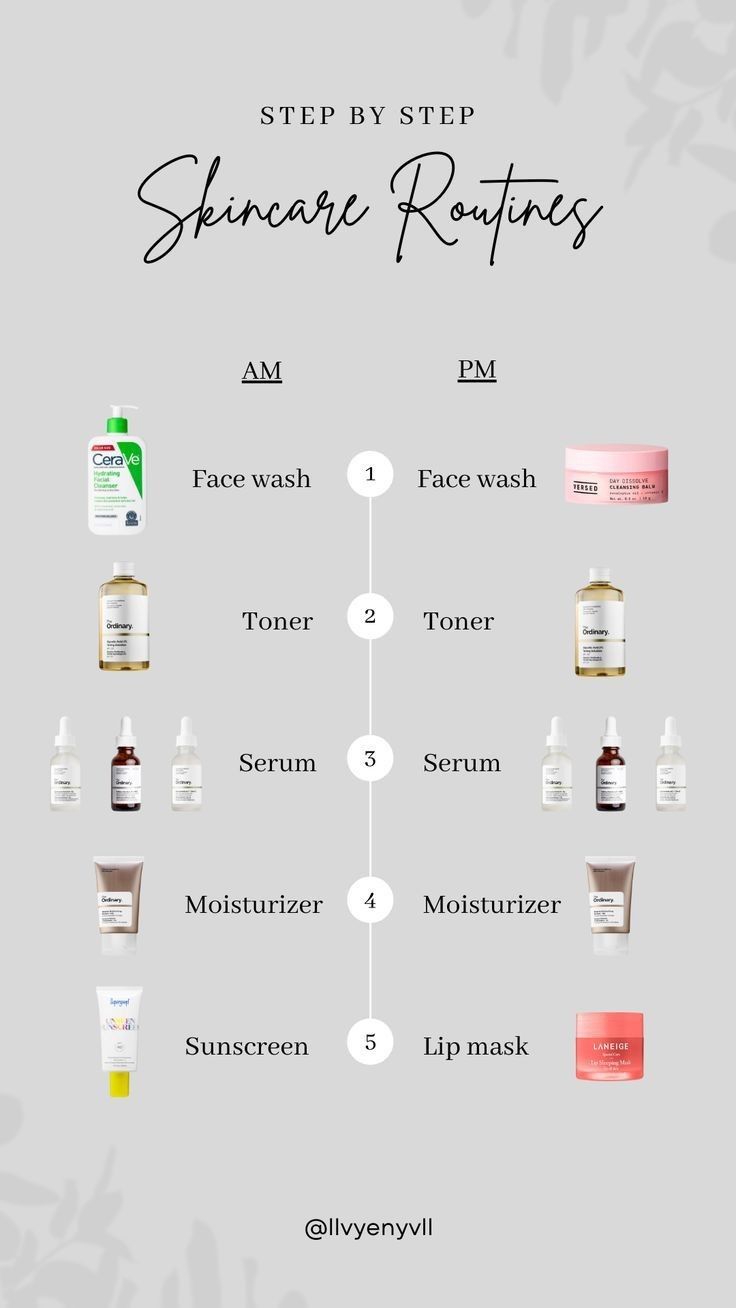
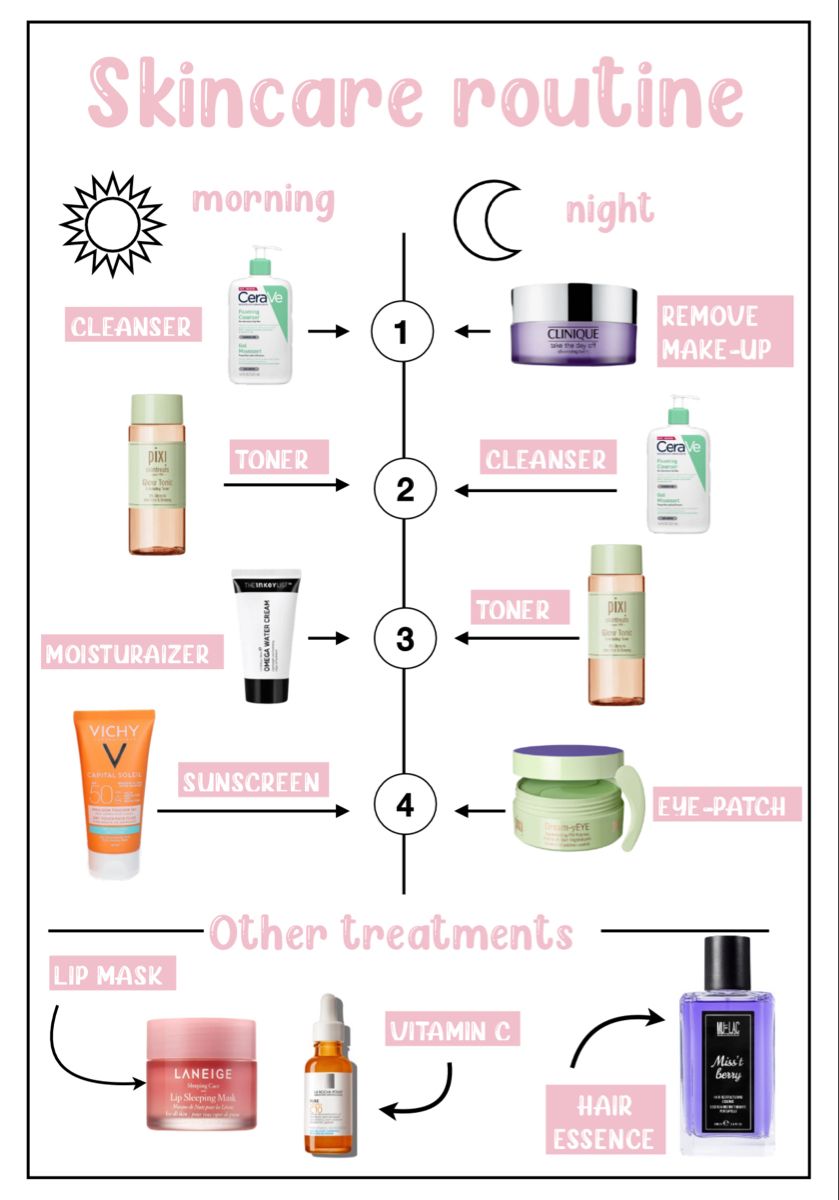
Morning Essentials
Start with a gentle cleanser to remove overnight sweat and sebum.
Next, apply an antioxidant serum—vitamin C works well to neutralize free radicals generated by UV exposure.
Then, moisturize with a formula suited to your skin type; lightweight gels for oily skin, richer creams for dry.
Finally, finish with broad‑spectrum sunscreen SPF 30 or higher, reapplied every two hours when outdoors.
Evening Essentials
Begin with a double cleanse if you wore sunscreen or makeup: an oil‑based cleanser followed by a water‑based one.
After cleansing, apply treatment serums such as retinoids or niacinamide to address specific concerns.
Subsequently, layer a moisturizer to lock in hydration and support barrier repair overnight.
Optionally, incorporate a facial oil for extra nourishment if your skin feels particularly dry.
Common Mistakes to Avoid
Even well‑intentioned shoppers can fall into traps that undermine their skincare goals.
Furthermore, recognizing these pitfalls early helps you correct course before damage accumulates.
Therefore, keep the following missteps in mind during your next shopping trip.
Overloading the Routine
Using too many actives simultaneously can overwhelm the skin, leading to irritation, redness, or barrier compromise.
Instead, introduce one new product at a time and observe its effects for at least two weeks before adding another.
Consequently, this gradual approach minimizes adverse reactions and allows you to pinpoint what truly works.
Ignoring Expiration Dates
Active ingredients degrade over time, losing potency and potentially forming irritants.
Therefore, periodically check the PAO (period after opening) symbol on packaging and discard products past their recommended lifespan.
Moreover, store items in a cool, dry place away from direct sunlight to prolong efficacy.
Skipping Patch Tests
Even products labeled “for sensitive skin” can cause unexpected reactions.
Therefore, always perform a patch test on a discreet area and wait the full observation period before full‑face application.
Consequently, this simple step saves you from discomfort and potential long‑term sensitivity.
When to Consult a Dermatologist
Professional guidance becomes essential when over‑the‑counter solutions fail to deliver results or when symptoms worsen.
Furthermore, certain conditions such as persistent cystic acne, severe eczema, or suspicious pigment changes require medical evaluation.
Therefore, scheduling a visit ensures you receive an accurate diagnosis and a treatment plan tailored to your unique physiology.
Signs That Warrant Expert Advice
Rapidly spreading rashes, painful nodules, or lesions that bleed or ulcerate should prompt immediate consultation.
Additionally, if you experience unexplained hyperpigmentation or hypopigmentation that does not respond to topical agents, a dermatologist can investigate underlying causes.
Consequently, early intervention often prevents scarring and improves long‑term prognosis.
What to Expect During the Appointment
The clinician will review your medical history, perform a skin examination, and may recommend diagnostic tests such as a biopsy or allergy panel.
Based on findings, they will prescribe prescription‑strength topicals, oral medications, or in‑office procedures like laser therapy or chemical peels.
Furthermore, they will provide personalized product recommendations that complement the prescribed regimen.
Therefore, leveraging professional expertise accelerates your journey to healthier skin.
What is the first step in choosing the right skincare product for my skin?
The first step is to accurately identify your skin type and primary concerns. Observe how your skin feels after cleansing and note any issues such as oiliness, dryness, redness, or breakouts. This self‑assessment guides every subsequent decision, ensuring you select formulas that address your specific needs rather than generic trends.
How can I tell if an ingredient is present at an effective concentration?
Ingredients are listed in descending order of weight. If an active appears within the first five positions, it is likely present at a meaningful amount. Additionally, look for supporting data such as clinical study percentages mentioned on the brand’s website or packaging. When in doubt, start with a lower concentration and monitor your skin’s response before moving to higher strengths.
Patch testing helps you detect potential irritation or allergic reactions before applying a product to your entire face. Apply a small amount behind the ear or on the jawline, wait 24‑48 hours, and watch for redness, itching, or swelling. If no adverse reaction occurs, the product is likely safe for broader use. This simple step prevents unnecessary discomfort and protects your skin barrier.
Should I change my skincare routine with the seasons?
Yes, seasonal shifts affect humidity, temperature, and UV exposure, which in turn influence skin behavior. In colder months, opt for richer moisturizers and occlusive balms to combat dryness. During warmer months, switch to lightweight gels, mattifying sunscreens, and antioxidant serums to manage increased oil and sweat. Adjusting your routine ensures your skin receives appropriate support year‑round.
When should I see a dermatologist instead of relying on over‑the‑counter products?
Consult a dermatologist if you experience persistent acne, severe rashes, unexplained pigment changes, or any condition that worsens despite consistent over‑the‑counter use. Additionally, seek professional advice for suspicious moles, chronic eczema, or psoriasis. A dermatologist can provide prescription treatments, perform diagnostic tests, and tailor a plan that addresses the root cause of your skin concerns.
Ready to Transform Your Skincare Routine?
Take the first step toward healthier, glowing skin by applying the principles outlined in this guide. Start with a skin‑type assessment, build a personalized routine, and watch your complexion improve over time.