The Best Daily Skincare Routine for Dry and Dehydrated Skin
Dry and dehydrated skin can feel tight, rough, flaky, and uncomfortable throughout the day. Many people use the terms “dry skin” and “dehydrated skin” interchangeably, but they are not exactly the same. Dry skin is a skin type that lacks natural oils, while dehydrated skin is a condition caused by a lack of water in the skin. Understanding the difference is essential when creating an effective skincare routine.
The good news is that with the right daily skincare routine, you can restore moisture, strengthen your skin barrier, and achieve healthy, glowing skin. In this guide, you’ll learn the best daily skincare routine for dry and dehydrated skin, including the products and ingredients that can make a real difference.
Understanding Dry and Dehydrated Skin
Before building a skincare routine, it is important to identify whether your skin is dry, dehydrated, or both.
Common signs of dry skin include:
- Rough texture
- Flaky patches
- Itching
- Tightness
- Dull appearance
Common signs of dehydrated skin include:
- Tight feeling after cleansing
- Fine lines appearing more noticeable
- Lack of radiance
- Increased sensitivity
- Skin feeling thirsty despite producing oil
Many people experience both conditions simultaneously, making hydration and moisture equally important.
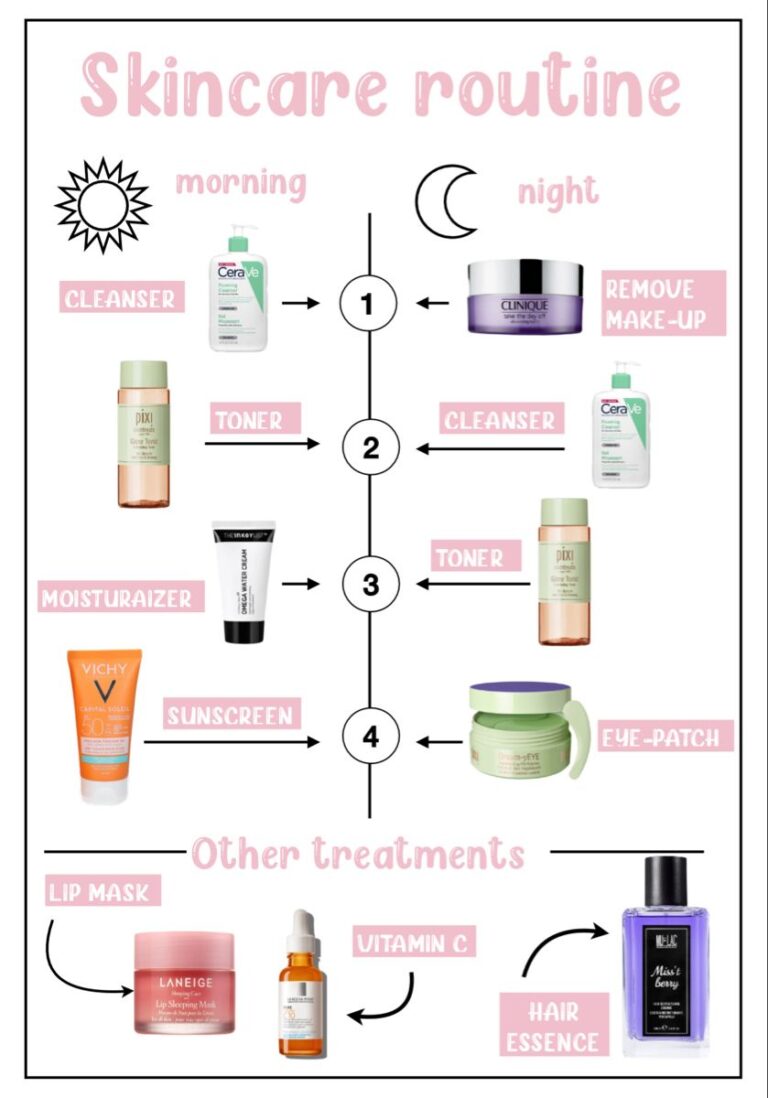
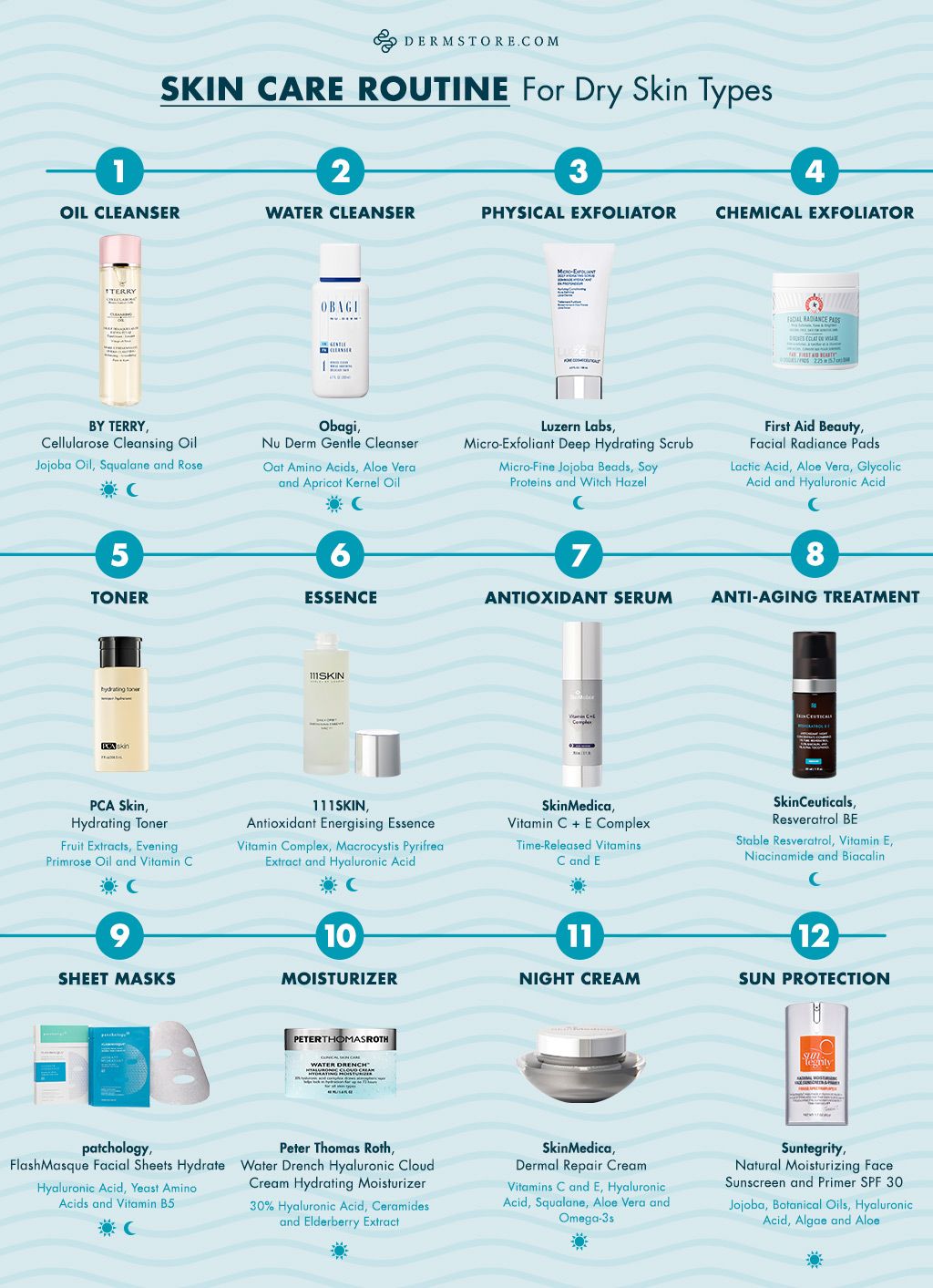
Morning Skincare Routine for Dry and Dehydrated Skin
A proper morning routine helps protect the skin throughout the day while maintaining hydration levels.
Step 1: Use a Gentle Hydrating Cleanser
Avoid harsh cleansers that strip away natural oils. Instead, choose a mild cleanser designed to maintain the skin’s moisture barrier.
Look for ingredients such as:
- Glycerin
- Ceramides
- Hyaluronic Acid
- Aloe Vera
A gentle cleanser removes dirt and excess oil without causing dryness or irritation.
Step 2: Apply a Hydrating Toner
A hydrating toner helps replenish moisture immediately after cleansing.
Ingredients to look for include:
- Hyaluronic Acid
- Panthenol
- Rose Water
- Beta-Glucan
Avoid alcohol-based toners, as they can worsen dryness and dehydration.
Step 3: Use a Hydrating Serum
Serums deliver concentrated ingredients deep into the skin.
The best serums for dry and dehydrated skin often contain:
- Hyaluronic Acid
- Polyglutamic Acid
- Niacinamide
- Peptides
These ingredients help attract and retain water, making the skin appear plumper and healthier.
Step 4: Apply a Moisturizer
Moisturizer is one of the most important steps in any skincare routine for dry skin.
A good moisturizer should contain:
- Ceramides
- Squalane
- Shea Butter
- Glycerin
- Fatty Acids
These ingredients help lock in moisture and support a healthy skin barrier.
Step 5: Never Skip Sunscreen
Many people underestimate the role of sunscreen in maintaining healthy skin.
Daily sun exposure can:
- Damage the skin barrier
- Increase moisture loss
- Accelerate aging
- Cause hyperpigmentation
Choose a broad-spectrum sunscreen with SPF 30 or higher and apply it every morning, even on cloudy days.
Evening Skincare Routine for Dry and Dehydrated Skin
Nighttime is when the skin naturally repairs itself. A nourishing evening routine can significantly improve skin hydration and overall health.
Step 1: Remove Makeup and Sunscreen
Use a gentle cleansing balm or cleansing oil to dissolve makeup, sunscreen, and impurities.
Oil-based cleansers are particularly beneficial for dry skin because they cleanse without stripping moisture.
Step 2: Cleanse Gently
Follow with a hydrating cleanser to remove any remaining residue.
Avoid over-cleansing, which can weaken the skin barrier and worsen dryness.
Step 3: Apply a Hydrating Essence or Toner
This extra layer of hydration prepares the skin to absorb subsequent products more effectively.
Multiple layers of lightweight hydration can be especially beneficial for dehydrated skin.
Step 4: Use a Treatment Serum
At night, focus on repairing and restoring the skin.
Beneficial ingredients include:
- Niacinamide
- Ceramides
- Peptides
- Hyaluronic Acid
These ingredients support skin barrier function and improve moisture retention.
Step 5: Apply a Rich Moisturizer
Night creams are often thicker and more nourishing than daytime moisturizers.
Look for ingredients such as:
- Shea Butter
- Ceramides
- Squalane
- Cholesterol
These help seal in hydration while supporting overnight skin repair.
Step 6: Consider a Sleeping Mask
For extremely dry skin, a sleeping mask can provide an additional layer of hydration.
Using a sleeping mask two or three times per week can help improve skin softness and reduce dryness.
Best Ingredients for Dry and Dehydrated Skin
Choosing the right ingredients can dramatically improve your skin’s appearance and comfort.
Hyaluronic Acid
Hyaluronic Acid attracts water to the skin and helps maintain hydration throughout the day.
Ceramides
Ceramides strengthen the skin barrier and prevent moisture loss.
Glycerin
Glycerin is a powerful humectant that draws water into the skin.
Squalane
Squalane provides lightweight moisture and helps soften dry skin.
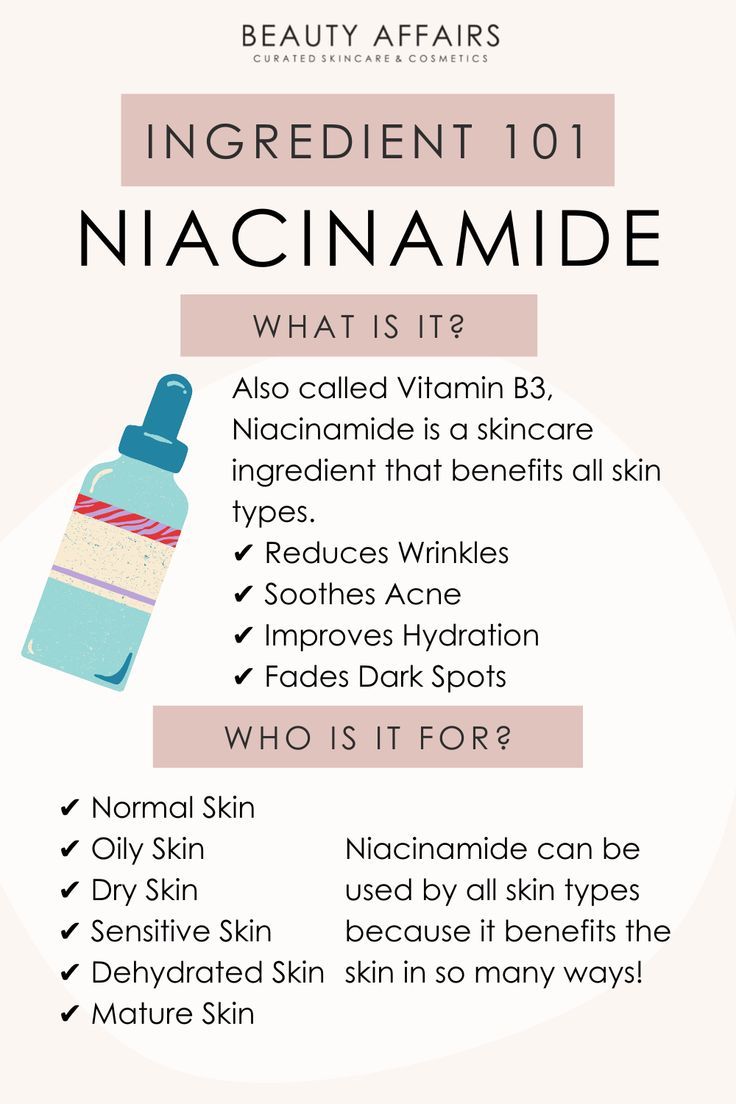
Niacinamide
Niacinamide supports skin barrier health while improving hydration levels.
Panthenol
Panthenol soothes irritation and helps retain moisture.
Ingredients to Avoid
Some ingredients may worsen dryness and dehydration.
Try to limit:
- High concentrations of alcohol
- Harsh sulfates
- Overuse of exfoliating acids
- Strong fragrances
- Excessive use of clay masks
Using these products too frequently can compromise the skin barrier.
Lifestyle Habits That Improve Skin Hydration
Skincare products are important, but daily habits also play a major role.
Drink Enough Water
While hydration alone won’t cure dry skin, adequate water intake supports overall skin health.
Use a Humidifier
Indoor heating and air conditioning can reduce humidity levels.
A humidifier helps maintain moisture in the environment and prevents excessive skin dryness.
Avoid Hot Showers
Hot water can strip the skin of natural oils.
Choose lukewarm water whenever possible.
Eat Healthy Fats
Foods rich in healthy fats can support skin barrier function.
Examples include:
- Avocados
- Salmon
- Walnuts
- Olive Oil
- Chia Seeds
Get Enough Sleep
Quality sleep allows the skin to repair and regenerate effectively.
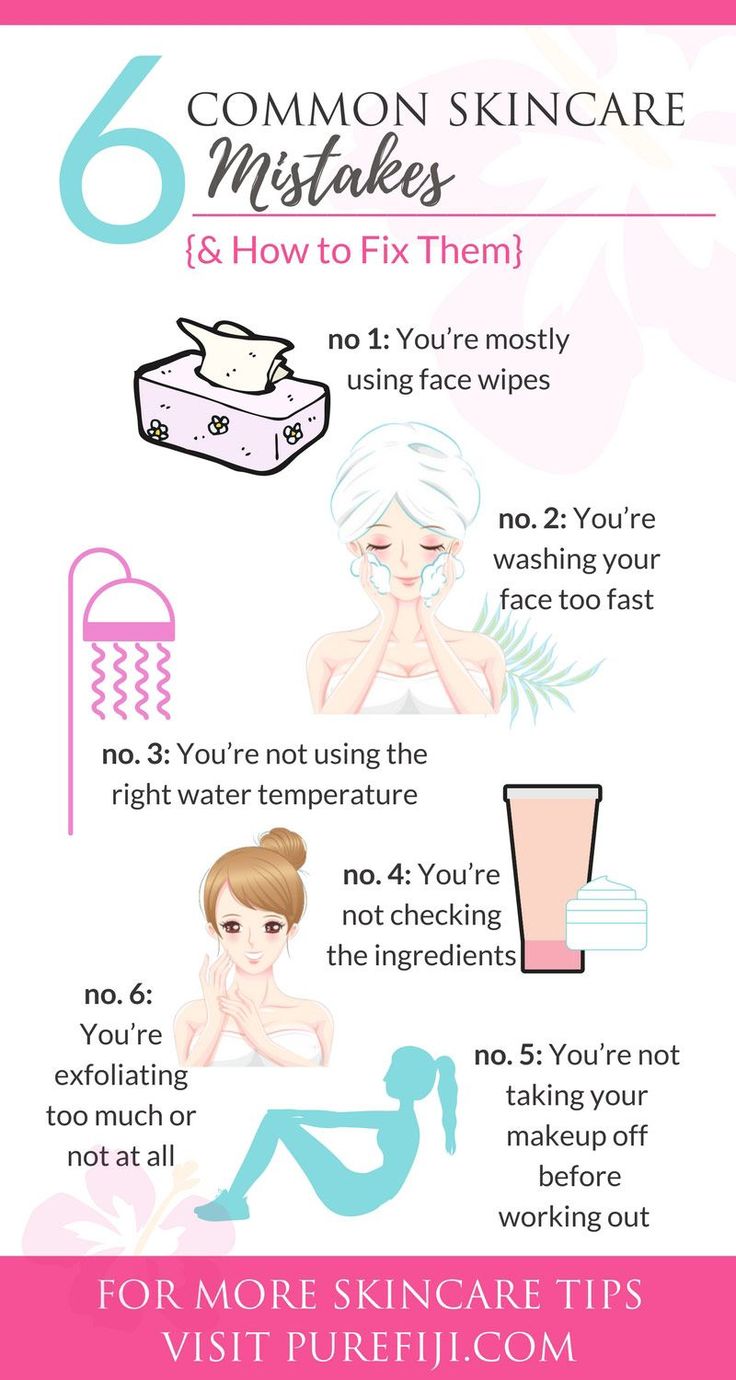
Common Mistakes to Avoid
Many people unknowingly worsen their dry skin through everyday habits.
Avoid these mistakes:
- Skipping moisturizer
- Over-cleansing
- Using harsh scrubs
- Ignoring sunscreen
- Using too many active ingredients at once
- Not adjusting skincare routines during winter
A gentle and consistent approach usually delivers the best results.
Final Thoughts
Creating the best daily skincare routine for dry and dehydrated skin does not require dozens of products. The key is focusing on hydration, moisture retention, and skin barrier support.
By using a gentle cleanser, hydrating serum, nourishing moisturizer, and daily sunscreen, you can significantly improve your skin’s texture, comfort, and appearance. Consistency is essential. Over time, these simple steps can help restore healthy, smooth, and radiant skin.
Whether your skin is naturally dry or temporarily dehydrated, a thoughtful skincare routine can make a lasting difference in maintaining a healthy complexion.