What Causes Hyperpigmentation and How to Treat It
Hyperpigmentation is one of the most common skin concerns affecting people of all ages and skin types. It appears as patches or spots of skin that become darker than the surrounding area, often creating an uneven complexion. While hyperpigmentation is usually harmless from a medical standpoint, it can affect confidence and become a frustrating cosmetic concern.
Many people notice dark spots after acne breakouts, prolonged sun exposure, hormonal changes, or skin injuries. The good news is that hyperpigmentation can often be improved with the right skincare routine, proper sun protection, and consistent treatment.
Understanding what causes hyperpigmentation is the first step toward effectively managing it. In this guide, we’ll explore the most common causes, the different types of hyperpigmentation, and the best ways to achieve a more even skin tone.
What Is Hyperpigmentation?
Hyperpigmentation occurs when the skin produces excess melanin.
Melanin is the natural pigment responsible for the color of your skin, hair, and eyes. Specialized cells called melanocytes produce melanin to help protect the skin from ultraviolet radiation.
When melanocytes become overactive, excess pigment develops in certain areas, creating dark spots or patches.
Hyperpigmentation can affect people of all skin tones, although it may appear differently depending on an individual’s complexion.
Common Signs of Hyperpigmentation
Hyperpigmentation can appear in several forms.
Some people develop small dark spots following acne breakouts, while others experience larger patches of discoloration on the cheeks, forehead, or upper lip.
The affected areas may appear:
- Brown
- Dark brown
- Gray-brown
- Tan
- Black
The appearance often depends on skin tone, depth of pigmentation, and the underlying cause.
What Causes Hyperpigmentation?
Several factors can trigger excess melanin production.
Sun Exposure
Sun exposure is one of the leading causes of hyperpigmentation.
Ultraviolet rays stimulate melanin production as part of the skin’s natural defense mechanism. Over time, repeated exposure can lead to sunspots, age spots, and uneven skin tone.
Even brief periods of daily sun exposure can contribute to pigmentation problems if adequate protection is not used.
This is why sunscreen remains one of the most important tools for preventing and treating hyperpigmentation.
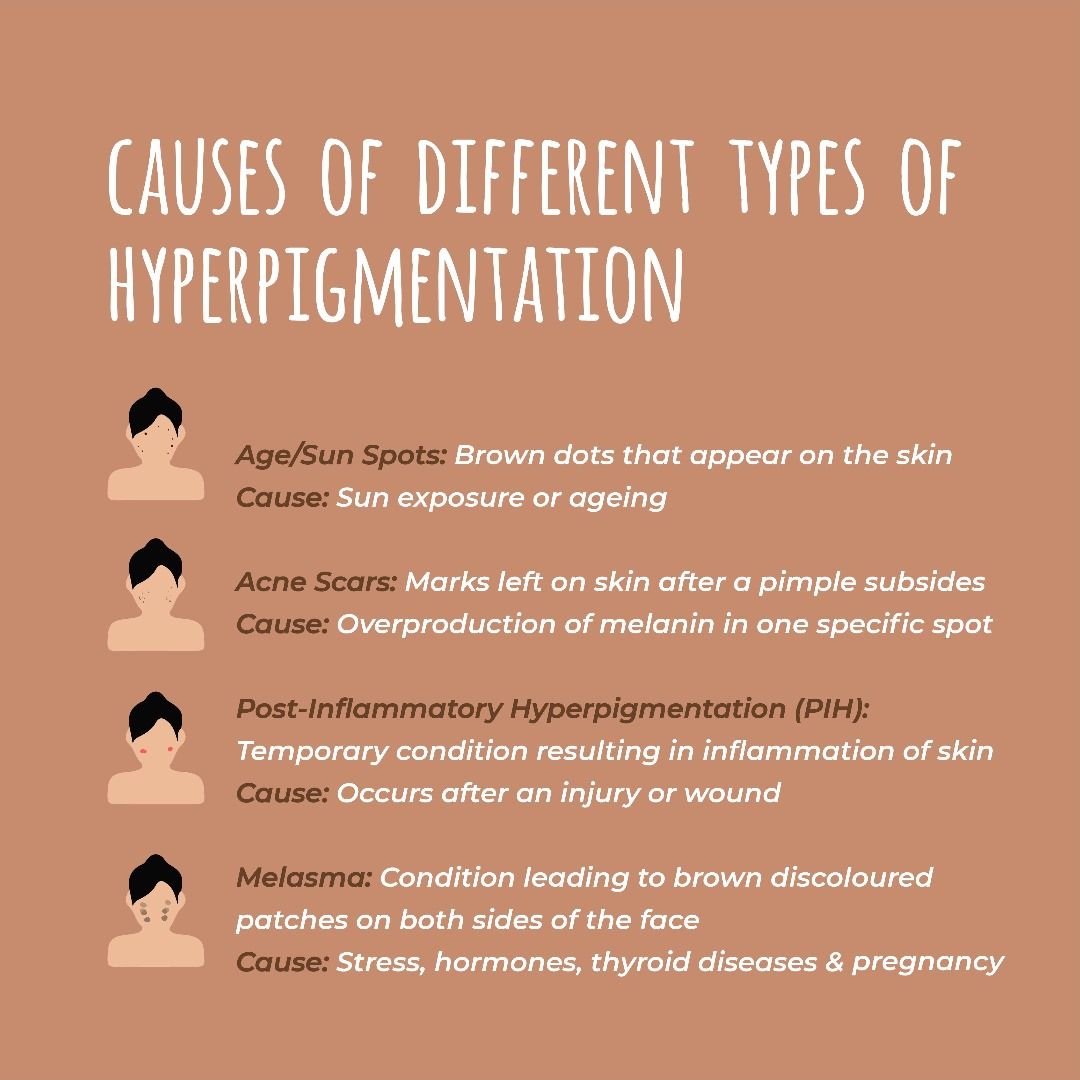
Post-Inflammatory Hyperpigmentation
Inflammation is another common cause.
When the skin experiences trauma, irritation, or inflammation, melanocytes may respond by producing excess pigment.
This type of pigmentation is known as post-inflammatory hyperpigmentation.
Common triggers include:
- Acne breakouts
- Skin injuries
- Burns
- Allergic reactions
- Harsh skincare products
After the initial irritation heals, a dark mark may remain for weeks or months.
Hormonal Changes
Hormonal fluctuations can significantly affect melanin production.
A condition known as melasma is commonly associated with hormonal changes and often appears as symmetrical patches of pigmentation on the face.
Melasma frequently develops during:
- Pregnancy
- Hormonal therapy
- Birth control use
Although it is harmless, melasma can be difficult to treat and often requires a comprehensive management approach.
Aging
As people age, cumulative sun exposure and natural skin changes contribute to the development of age spots.
These spots are typically found on areas frequently exposed to sunlight, including the face, hands, shoulders, and chest.
Age spots are extremely common and tend to become more noticeable over time.
Certain Medications
Some medications can increase skin sensitivity to sunlight or affect pigmentation processes.
In certain cases, medication-related pigmentation changes may develop gradually and persist until treatment is adjusted.
If you suspect medication may be contributing to skin discoloration, consult a healthcare professional for guidance.
Different Types of Hyperpigmentation
Understanding the type of pigmentation you have can help determine the most appropriate treatment approach.
Post-Inflammatory Hyperpigmentation
This type develops after inflammation or injury.
It is particularly common among individuals who experience acne, eczema, or other inflammatory skin conditions.
Fortunately, post-inflammatory hyperpigmentation often responds well to skincare treatments and sun protection.
Melasma
Melasma appears as larger patches of discoloration and is often influenced by hormonal changes.
It commonly affects the cheeks, forehead, bridge of the nose, and upper lip.
Melasma tends to be more persistent than other forms of pigmentation and may require long-term management.
Sunspots
Sunspots, also known as solar lentigines, result from cumulative ultraviolet exposure.
They typically appear as small, well-defined dark spots on sun-exposed areas of the body.
Sunspots become increasingly common with age and prolonged sun exposure.
Why Sunscreen Is Essential
No hyperpigmentation treatment plan is complete without sunscreen.
Even the most effective brightening ingredients will struggle to produce results if the skin continues to receive unprotected sun exposure.
Ultraviolet radiation stimulates melanin production and can darken existing pigmentation.
Daily use of a broad-spectrum sunscreen with SPF 30 or higher helps prevent further discoloration while protecting the progress achieved through treatment.
Consistent sun protection is often the single most important factor in managing hyperpigmentation.
Vitamin C for Hyperpigmentation
Vitamin C is one of the most popular ingredients for brightening uneven skin tone.
As a powerful antioxidant, it helps protect the skin from environmental damage while supporting a more radiant complexion.
Vitamin C may reduce pigmentation by interfering with melanin production and helping fade existing discoloration.
Regular use often leads to gradual improvements in brightness and skin clarity.
Niacinamide Can Help Even Skin Tone
Niacinamide is another highly effective ingredient for addressing hyperpigmentation.
This form of Vitamin B3 helps reduce the transfer of pigment within the skin, which can gradually improve uneven skin tone.
In addition to its brightening effects, niacinamide supports the skin barrier, reduces redness, and improves hydration.
Its gentle nature makes it suitable for most skin types.
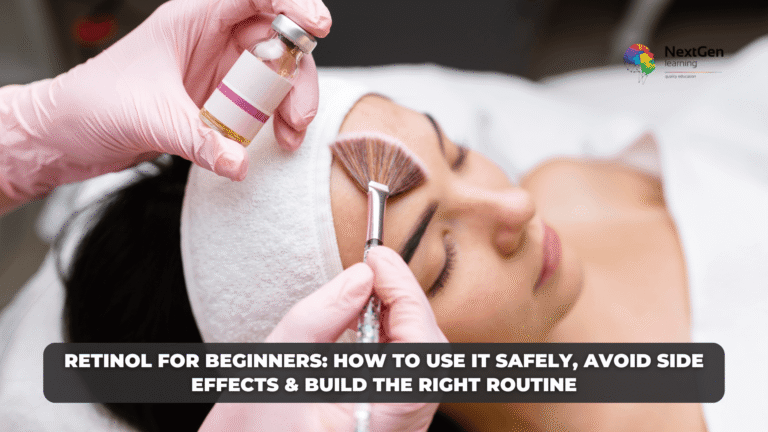
Retinol and Skin Renewal
Retinol promotes faster skin cell turnover, helping the skin shed pigmented cells more efficiently.
As new cells replace older ones, dark spots may gradually fade.
Retinol also supports collagen production and overall skin rejuvenation, making it a valuable ingredient for individuals concerned about both pigmentation and signs of aging.
Because retinol can cause temporary irritation, it should be introduced gradually.
Gentle Exfoliation Supports Improvement
Exfoliation helps remove dead skin cells from the surface of the skin.
When used appropriately, exfoliation may accelerate the fading of hyperpigmentation by encouraging the emergence of newer skin cells.
However, over-exfoliation can worsen inflammation and potentially trigger additional pigmentation.
Moderation is essential.
Gentle and consistent exfoliation is typically more effective than aggressive treatment.
The Importance of Patience
One of the biggest challenges when treating hyperpigmentation is managing expectations.
Pigmentation develops gradually and often fades gradually as well.
Many people expect immediate results and become discouraged when improvements take time.
In reality, noticeable changes often require several weeks or months of consistent treatment.
Patience and consistency are critical for long-term success.
Lifestyle Habits That Support Healthy Skin
While skincare products play an important role, healthy lifestyle habits can also support overall skin function.
Adequate sleep allows the skin to repair and regenerate more effectively.
A balanced diet rich in antioxidants may help protect the skin from oxidative stress.
Managing stress can also support healthier skin by reducing inflammation throughout the body.
Although lifestyle changes alone may not eliminate pigmentation, they contribute to overall skin wellness.
Common Mistakes to Avoid
Many individuals unintentionally make hyperpigmentation worse.
Picking at acne lesions can increase inflammation and lead to additional dark spots.
Skipping sunscreen often prolongs pigmentation and reduces treatment effectiveness.
Using too many active ingredients simultaneously may irritate the skin and trigger further discoloration.
Consistency and patience are usually more effective than aggressive treatment strategies.
When Professional Treatment May Help
Some forms of hyperpigmentation respond well to over-the-counter skincare products, while others may require professional intervention.
Dermatologists may recommend treatments such as:
- Chemical peels
- Laser therapy
- Microneedling
- Prescription topical medications
The best treatment depends on the type, severity, and depth of pigmentation.
Professional guidance can be especially helpful for stubborn or extensive cases.
Final Thoughts
Hyperpigmentation is a common and often frustrating skin concern, but it is usually manageable with the right approach. Whether caused by sun exposure, acne, hormonal changes, or aging, understanding the underlying cause helps guide effective treatment.
Daily sunscreen use remains the foundation of any hyperpigmentation routine. Combined with ingredients such as Vitamin C, niacinamide, and retinol, it can help reduce discoloration and promote a more even complexion.
The key is consistency. While hyperpigmentation rarely disappears overnight, a patient and well-structured skincare routine can lead to significant improvements over time. With proper care, healthier, brighter, and more balanced skin is an achievable goal for many individuals.