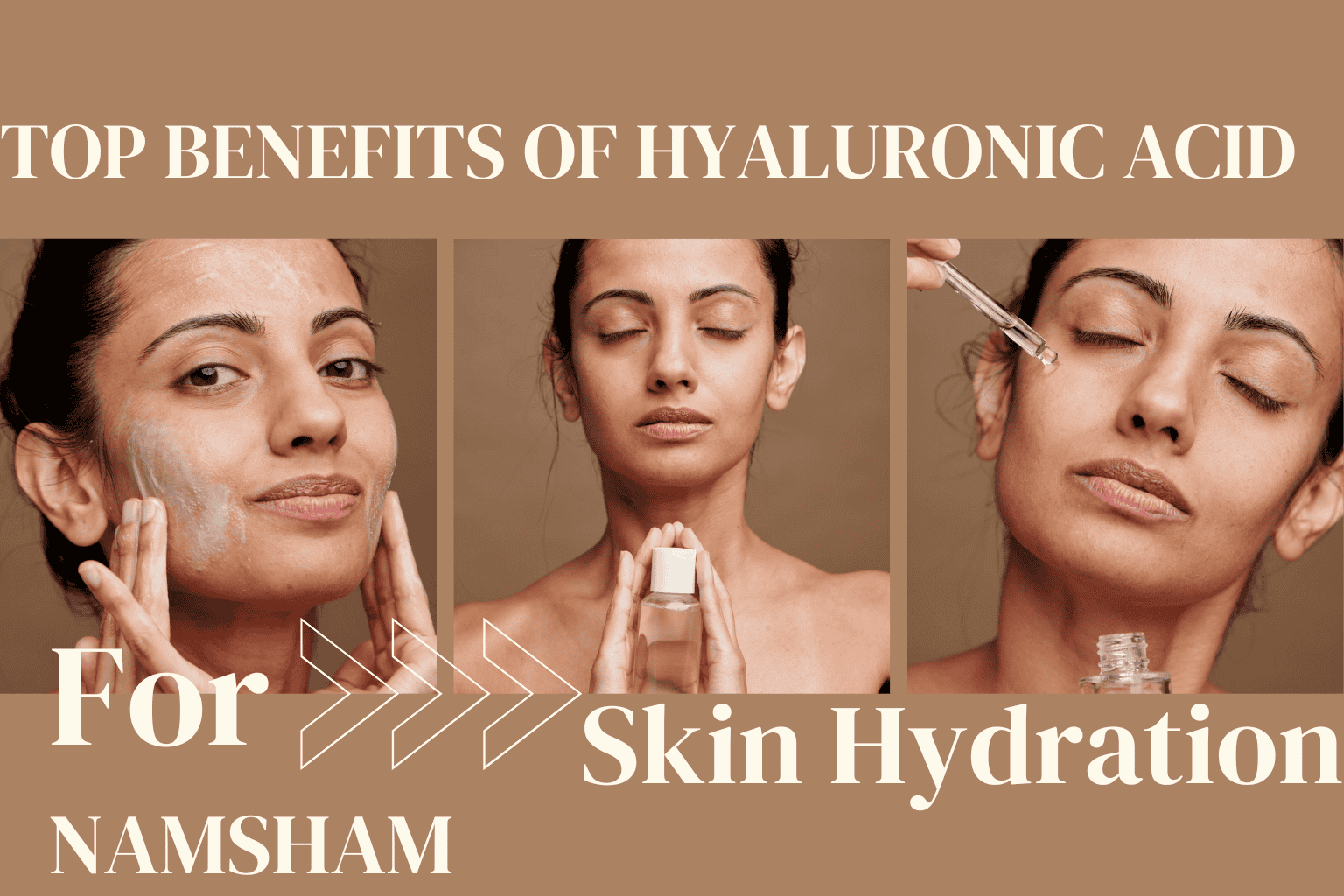
How Hyaluronic Acid Helps Keep Your Skin Hydrated All Day
When it comes to skincare ingredients that deliver immediate and noticeable hydration, few are as popular as hyaluronic acid. Found in countless serums, moisturizers, masks, and skincare treatments, hyaluronic acid has become a staple ingredient for people seeking smoother, plumper, and healthier-looking skin.
Despite its widespread popularity, many people are still unsure about what hyaluronic acid actually does and why dermatologists frequently recommend it. The name itself can be misleading, causing some to assume it is an exfoliating acid similar to glycolic acid or salicylic acid. In reality, hyaluronic acid is one of the most hydrating ingredients available in skincare.
Whether you have dry skin, oily skin, combination skin, sensitive skin, or mature skin, hyaluronic acid can play an important role in maintaining proper hydration and supporting overall skin health.
In this guide, you’ll learn how hyaluronic acid works, its benefits, how to use it properly, and why it remains one of the most trusted ingredients in modern skincare.
What Is Hyaluronic Acid?
Hyaluronic acid is a naturally occurring substance found throughout the human body. It is present in the skin, connective tissues, joints, and eyes, where it helps retain moisture and maintain proper function.
One of the most remarkable characteristics of hyaluronic acid is its ability to attract and hold water. It can bind a significant amount of moisture relative to its weight, making it an exceptional hydrating ingredient.
In healthy skin, hyaluronic acid helps keep tissues hydrated, plump, and resilient. However, natural levels gradually decline with age, contributing to dryness, loss of elasticity, and the appearance of fine lines.
This decline is one reason why topical hyaluronic acid has become so popular in skincare products.
How Hyaluronic Acid Works
The primary function of hyaluronic acid is to attract and retain water.
When applied to the skin, hyaluronic acid acts like a moisture magnet. It draws water toward the skin’s surface and helps maintain hydration throughout the day.
As hydration levels increase, the skin often appears:
- Smoother
- Softer
- More supple
- More radiant
Unlike heavy oils or occlusive ingredients, hyaluronic acid provides hydration without leaving a greasy or heavy feeling. This makes it suitable for virtually all skin types.
Why Hydration Matters for Healthy Skin
Hydration is essential for maintaining healthy skin function.
When the skin lacks sufficient water, it may become:
- Tight
- Dull
- Rough
- Irritated
- More prone to visible aging
Dehydrated skin can affect people with any skin type, including oily skin. Many individuals assume that oily skin cannot be dehydrated, but this is not true. The skin can produce excess oil while still lacking adequate water.
Proper hydration helps support the skin barrier, improve comfort, and maintain a healthier appearance.
Hyaluronic Acid Helps Reduce Dryness
One of the most obvious benefits of hyaluronic acid is its ability to combat dryness.
Dry skin often feels uncomfortable and may develop rough patches or flaking. By increasing hydration levels, hyaluronic acid helps improve skin softness and comfort.
Many users notice that their skin feels more moisturized shortly after application.
While hyaluronic acid is not a replacement for moisturizer, it works exceptionally well when combined with a nourishing moisturizer that helps seal hydration into the skin.
Creates a Plumper Appearance
Fine lines often become more visible when the skin is dehydrated.
When skin cells receive adequate moisture, they become fuller and more hydrated. This increased hydration can temporarily reduce the appearance of fine lines and create a smoother complexion.
Many people describe their skin as looking “plumper” after incorporating hyaluronic acid into their skincare routine.
This effect contributes to a fresher and more youthful appearance.
Supports the Skin Barrier
The skin barrier plays a vital role in protecting the skin from environmental stressors while preventing excessive moisture loss.
A compromised barrier can lead to dryness, irritation, sensitivity, and inflammation.
By improving hydration levels, hyaluronic acid helps support overall barrier function.
A healthy skin barrier is better equipped to defend against external aggressors and maintain long-term skin health.
Suitable for All Skin Types
One reason hyaluronic acid is so widely recommended is its versatility.
Unlike some active ingredients that may cause irritation or require careful introduction, hyaluronic acid is generally well tolerated by most people.
It can benefit:
- Dry skin
- Oily skin
- Combination skin
- Sensitive skin
- Mature skin
- Acne-prone skin
Because it provides hydration without clogging pores, it is particularly useful for individuals who need moisture without heaviness.
Helps Improve Skin Texture
Rough skin texture is often linked to dehydration.
When skin lacks water, it may appear uneven and feel less smooth to the touch.
Regular use of hyaluronic acid can help improve skin texture by increasing hydration and supporting healthier skin function.
As moisture levels improve, the skin often becomes softer and more refined.
Supports Anti-Aging Skincare Routines
While hyaluronic acid is not a traditional anti-aging ingredient like retinol, it still plays an important role in maintaining youthful-looking skin.
Aging skin often experiences reduced hydration and decreased natural hyaluronic acid production.
By replenishing hydration, hyaluronic acid helps minimize the appearance of dehydration-related fine lines and supports overall skin elasticity.
Many anti-aging products include hyaluronic acid because it complements other active ingredients while helping reduce potential dryness.
How to Use Hyaluronic Acid Correctly
Using hyaluronic acid properly can significantly improve results.
After cleansing, apply a hyaluronic acid serum to slightly damp skin. Damp skin provides a source of water that the ingredient can attract and retain.
Follow immediately with a moisturizer.
The moisturizer helps lock hydration into the skin and prevents water from evaporating too quickly.
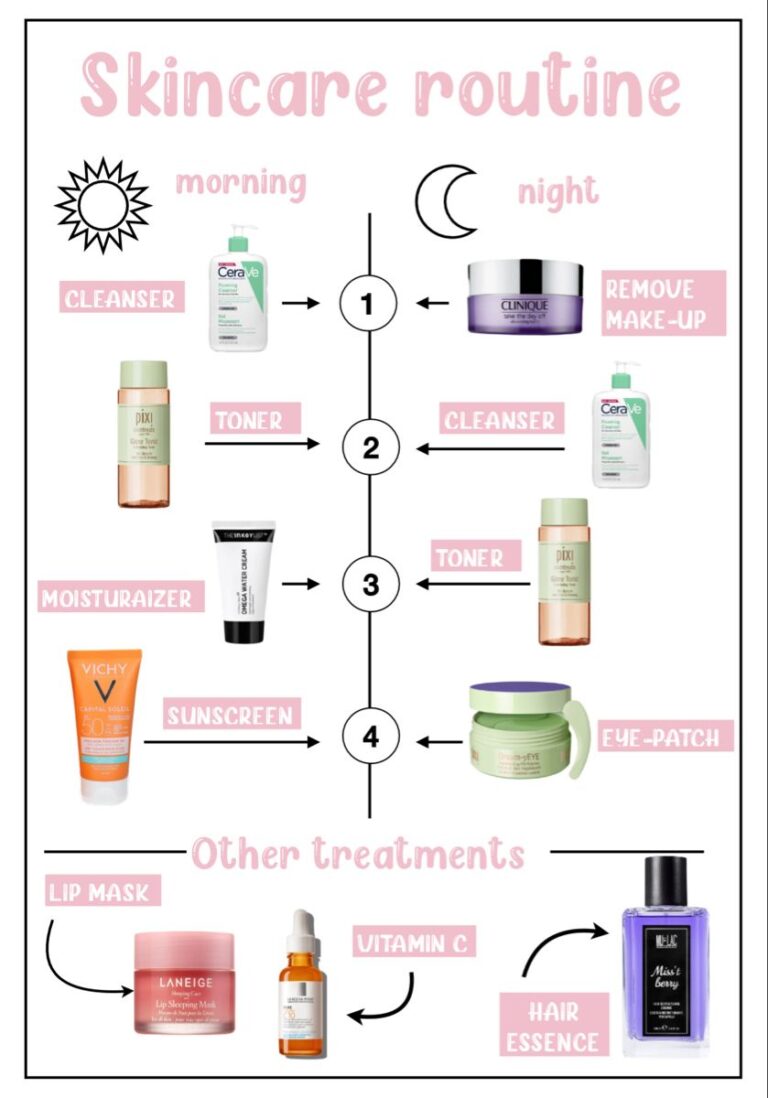
A simple routine might look like this:
Morning:
Cleanser, hyaluronic acid serum, moisturizer, sunscreen.
Evening:
Cleanser, hyaluronic acid serum, moisturizer.
This straightforward approach works well for most people.
Can You Use Hyaluronic Acid Every Day?
Yes, hyaluronic acid is generally safe for daily use.
Most people can apply it both morning and night without experiencing irritation.
Because it focuses on hydration rather than exfoliation, it does not typically require gradual introduction like stronger active ingredients.
Consistent use often produces the best results.
Hyaluronic Acid and Other Skincare Ingredients
One of the strengths of hyaluronic acid is its compatibility with other skincare ingredients.
It works particularly well alongside:
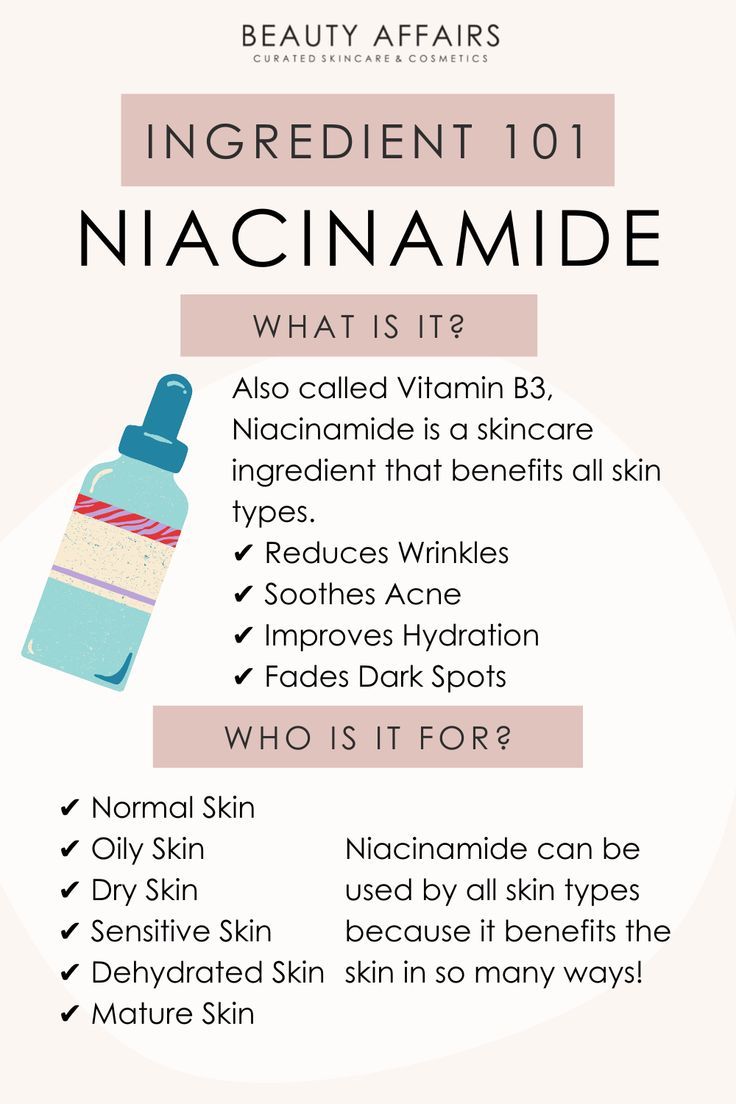
- Niacinamide
- Vitamin C
- Retinol
- Ceramides
- Peptides
These combinations can enhance hydration while addressing other skincare concerns such as aging, uneven skin tone, or barrier repair.
For example, many people pair hyaluronic acid with retinol because hydration helps reduce dryness commonly associated with retinoid use.
Common Myths About Hyaluronic Acid
Despite its popularity, several misconceptions exist.
One common myth is that hyaluronic acid exfoliates the skin. Unlike glycolic acid or salicylic acid, hyaluronic acid does not remove dead skin cells. Its primary role is hydration.
Another misconception is that only dry skin needs hyaluronic acid. In reality, oily and acne-prone skin can benefit greatly from improved hydration.
Some people also believe that higher concentrations automatically produce better results. Product formulation and overall ingredient balance often matter more than concentration alone.
Choosing a Good Hyaluronic Acid Product
Not all products are formulated equally.
When selecting a hyaluronic acid serum or moisturizer, look for products that combine hydration with supporting ingredients such as glycerin, ceramides, or panthenol.
Well-formulated products often provide more lasting hydration than those relying solely on hyaluronic acid.
Packaging can also influence effectiveness, although hyaluronic acid is generally more stable than some other skincare ingredients.
How Long Does It Take to See Results?
One reason people love hyaluronic acid is that some benefits are noticeable almost immediately.
Many users experience softer, smoother skin within days of starting use.
Longer-term improvements in hydration, texture, and overall skin appearance may become more noticeable after several weeks of consistent application.
Like all skincare ingredients, results depend on regular use and a well-rounded skincare routine.
Final Thoughts
Hyaluronic acid has earned its reputation as one of the most effective hydrating ingredients in skincare. Its ability to attract and retain moisture helps keep the skin hydrated, comfortable, and healthy throughout the day.
From improving skin texture and supporting the skin barrier to creating a plumper and more youthful appearance, hyaluronic acid offers benefits that extend far beyond simple hydration.
The ingredient’s gentle nature, versatility, and compatibility with other skincare products make it suitable for virtually every skin type. Whether you’re dealing with dryness, dehydration, sensitivity, or signs of aging, hyaluronic acid can be a valuable addition to your skincare routine.
When used consistently and paired with a quality moisturizer and sunscreen, hyaluronic acid can help maintain soft, smooth, and healthy-looking skin for years to come.