How to Get Clear Skin Without Using Harsh Products
Achieving clear skin is a goal shared by millions of people worldwide. Unfortunately, many individuals believe that stronger products automatically produce better results. This misconception often leads to the overuse of harsh cleansers, aggressive exfoliants, strong acne treatments, and complicated skincare routines that can actually make skin problems worse.
The truth is that healthy, clear skin does not require harsh products. In many cases, excessive treatment damages the skin barrier, increases inflammation, and triggers additional breakouts. A gentle and consistent skincare routine is often far more effective than an aggressive approach.
If you’ve been struggling with acne, clogged pores, redness, or uneven skin texture, this guide will show you how to achieve clearer skin while protecting your skin’s natural balance.
Why Harsh Products Can Damage Your Skin
Many skincare products are marketed as fast solutions for acne and blemishes. While some active ingredients can be beneficial, overusing strong products may create new problems.
The skin barrier acts as a protective shield that helps retain moisture and defend against environmental irritants. When harsh products strip away natural oils and disrupt this barrier, the skin often responds with increased sensitivity, dryness, redness, and inflammation.
Ironically, damaged skin may produce even more oil in an attempt to compensate for excessive dryness. This can contribute to clogged pores and additional breakouts.
Instead of attacking the skin aggressively, the goal should be supporting its natural ability to heal and function properly.
Understanding What Causes Breakouts
Before treating acne, it helps to understand why it occurs.
Several factors can contribute to breakouts, including excess oil production, clogged pores, bacteria, hormonal fluctuations, stress, and inflammation.
Many people focus only on removing oil, but healthy skin requires a balance between cleansing, hydration, and protection.
Clear skin is not achieved by stripping the skin. It is achieved by creating an environment where the skin can function optimally.
Start With a Gentle Cleanser
Cleansing is one of the most important steps in any skincare routine.
However, many acne sufferers use cleansers that leave the skin feeling tight and squeaky clean. This sensation often indicates that the cleanser has removed too much of the skin’s natural moisture.
A gentle cleanser removes dirt, excess oil, sunscreen, and impurities without disrupting the skin barrier.
Look for cleansers that support hydration and avoid products loaded with harsh detergents or strong fragrances.
Your skin should feel clean after washing, but never dry or uncomfortable.
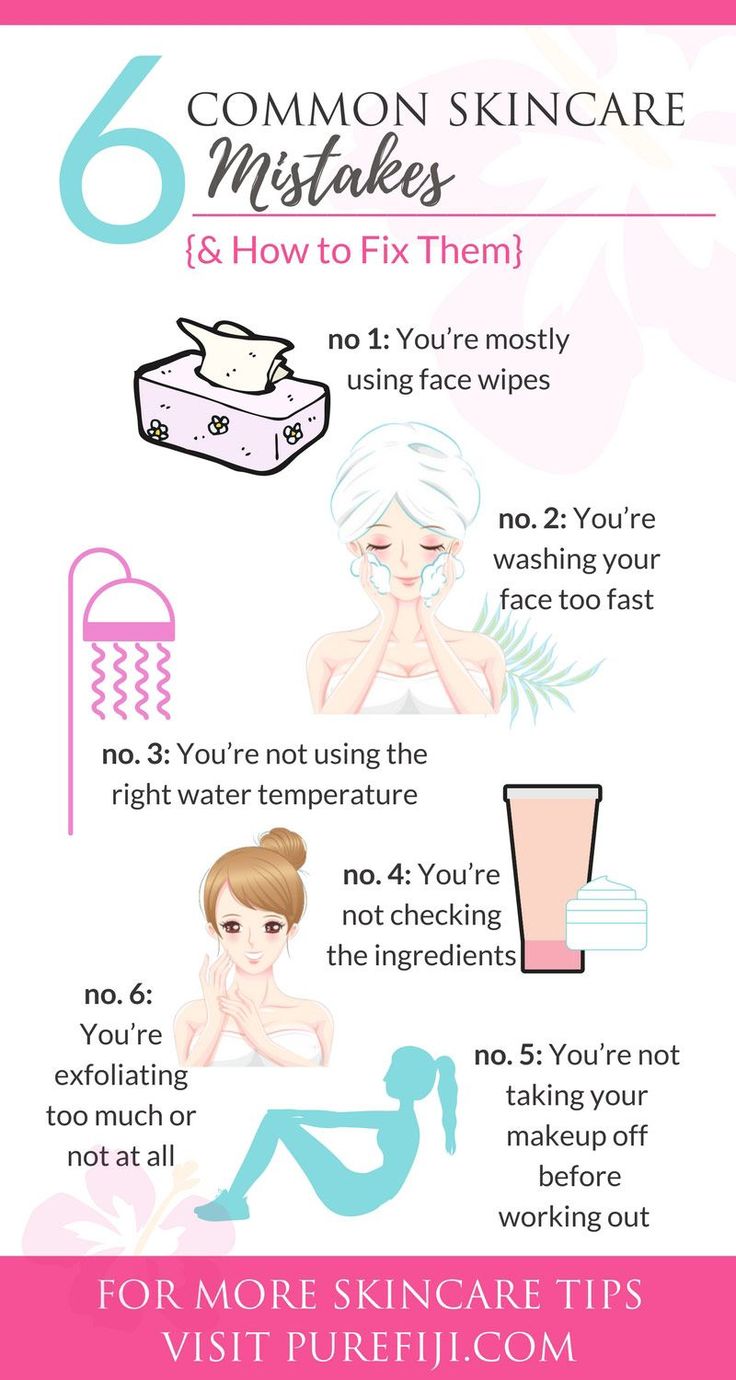
Avoid Overwashing Your Face
Many people believe washing the face multiple times per day will reduce acne.
In reality, overwashing often causes irritation and barrier damage.
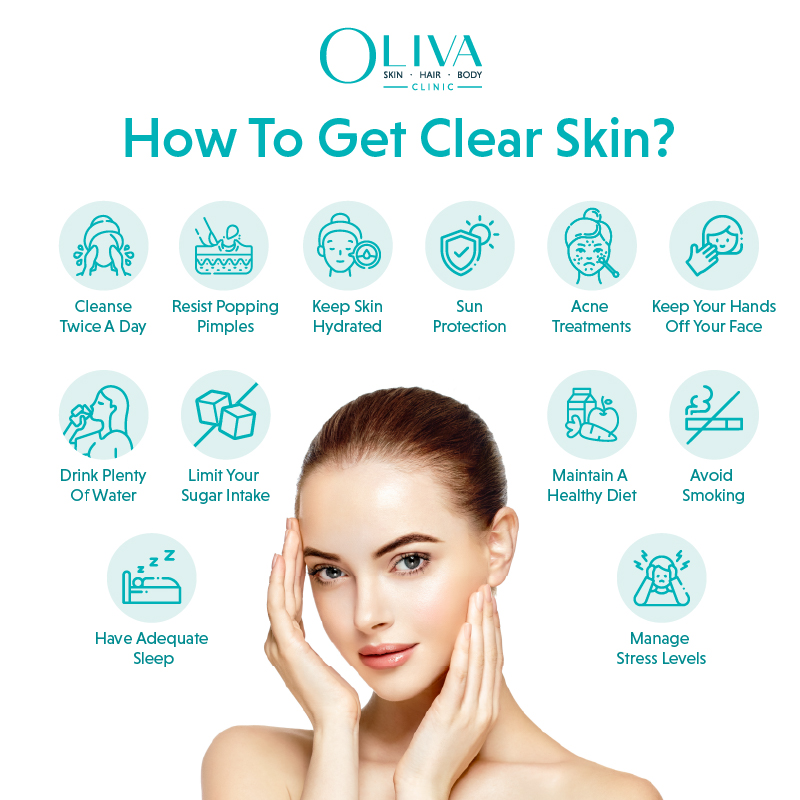
For most individuals, cleansing twice daily is sufficient. Once in the morning and once in the evening helps maintain cleanliness without causing unnecessary stress to the skin.
Excessive washing can increase dryness, trigger oil production, and worsen skin sensitivity.
Hydration Is Essential for Clear Skin
One of the biggest myths in skincare is that acne-prone skin does not need moisturizer.
Many people skip moisturizer because they worry it will make their skin oily or clog pores. However, dehydrated skin often becomes more problematic.
When the skin lacks moisture, it may produce additional oil to compensate. This imbalance can contribute to congestion and breakouts.
A lightweight, non-comedogenic moisturizer helps maintain hydration, support the skin barrier, and improve overall skin health.
Healthy skin heals more efficiently and is often less prone to irritation and inflammation.
Focus on Skin Barrier Health
A strong skin barrier is one of the most overlooked factors in achieving clear skin.
The skin barrier helps prevent moisture loss while protecting against bacteria, pollutants, and irritants.
When the barrier becomes damaged, inflammation increases and the skin becomes more reactive.
Supporting barrier health often leads to fewer breakouts, reduced redness, and improved skin texture.
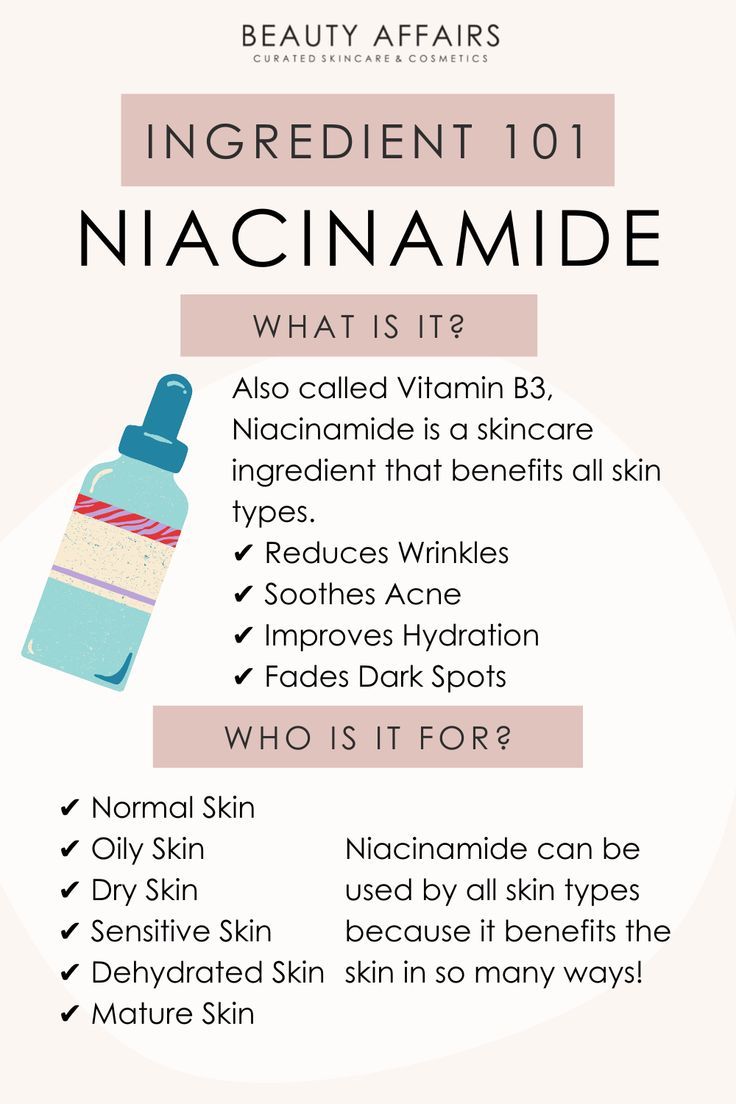
Ingredients such as ceramides, niacinamide, glycerin, and hyaluronic acid can help strengthen and maintain the skin barrier.
Use Active Ingredients Wisely
Active ingredients can be helpful, but more is not always better.
Many people combine multiple exfoliating acids, acne treatments, and anti-aging products at the same time. This often overwhelms the skin and increases irritation.
Instead of using numerous strong products, focus on one or two well-tolerated ingredients that address your primary concerns.
Consistency usually produces better results than intensity.
A simple routine that supports skin health is often more effective than an overly complicated one.
Don’t Ignore Sunscreen
Daily sun protection plays a major role in maintaining clear skin.
Sun exposure can worsen inflammation, increase hyperpigmentation, and slow the healing process of acne marks.
Many people avoid sunscreen because they fear it will clog pores. Fortunately, modern formulations are available that provide protection without feeling heavy or greasy.
Using sunscreen every day helps protect your skin while preventing long-term damage.
It also supports a more even skin tone and healthier complexion.
Avoid Picking and Squeezing Blemishes
Few habits are as damaging to clear skin as picking at pimples.
Although it can be tempting, squeezing blemishes often pushes inflammation deeper into the skin.
This can increase redness, prolong healing, and raise the risk of scarring and post-inflammatory hyperpigmentation.
Allowing blemishes to heal naturally is usually the best approach.
Patience may be difficult, but it often prevents long-term skin damage.
Pay Attention to Your Diet
Diet alone does not cause acne, but certain dietary patterns may influence skin health.
A balanced diet rich in whole foods supports overall wellness and may contribute to healthier skin.
Foods containing antioxidants, vitamins, and healthy fats help support the skin’s natural repair processes.
Fresh fruits, vegetables, fish, nuts, seeds, and whole grains provide nutrients that support skin function from within.
At the same time, paying attention to personal dietary triggers can be helpful, as responses vary from person to person.
Manage Stress Levels
Stress can have a significant impact on skin health.
When stress levels rise, the body releases hormones that may increase oil production and inflammation.
Many people notice worsening breakouts during periods of emotional or physical stress.
Stress management techniques such as exercise, meditation, deep breathing, and adequate rest may help support healthier skin over time.
While stress reduction is not an instant acne cure, it can be an important part of a holistic skincare strategy.
Prioritize Quality Sleep
Sleep is one of the body’s most important recovery mechanisms.
During sleep, the skin undergoes repair and regeneration processes that help maintain its health and appearance.
Poor sleep may contribute to increased inflammation, slower healing, and a dull complexion.
Most adults benefit from consistent, high-quality sleep each night.
Improving sleep habits often has positive effects on both overall wellness and skin health.
Be Consistent With Your Routine
One of the biggest obstacles to clear skin is inconsistency.
Many people switch products frequently, hoping for faster results. Unfortunately, constant changes make it difficult to determine what is working and often irritate the skin.
Most skincare products require several weeks or months to produce noticeable improvements.
Giving your routine time to work is essential.
Consistency allows the skin to adjust and respond gradually.
Common Mistakes That Prevent Clear Skin
Many skincare mistakes occur because people try too hard to fix their skin quickly.
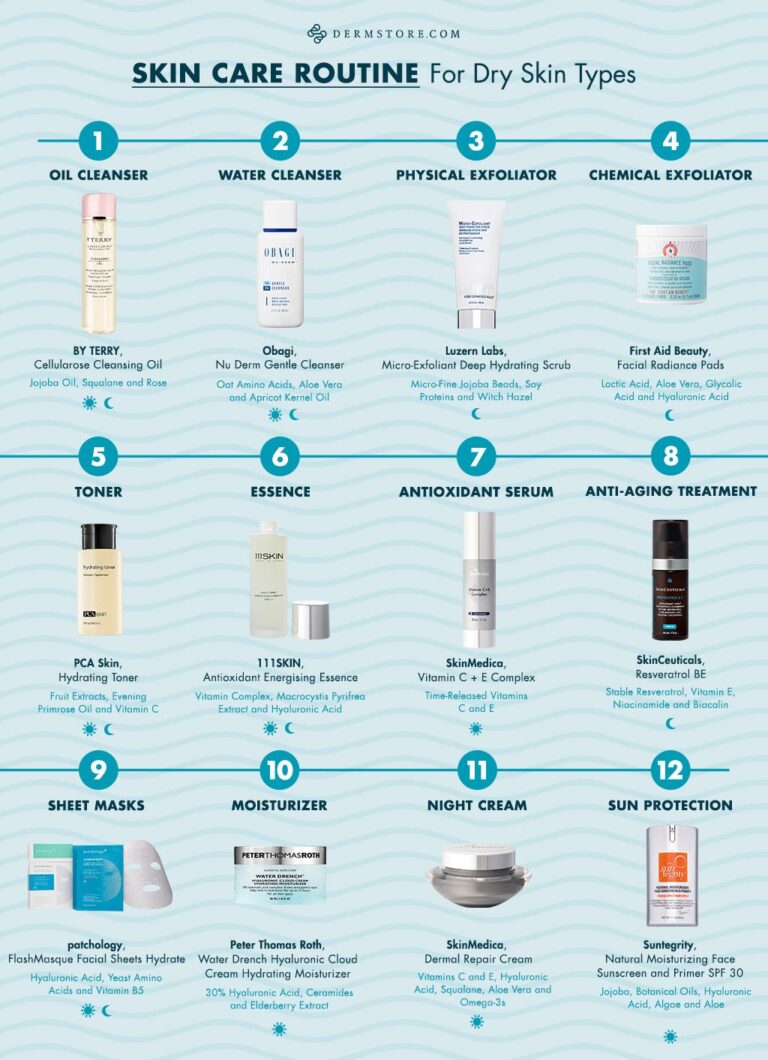
Using multiple acne treatments simultaneously can overwhelm the skin.
Exfoliating too frequently may weaken the skin barrier.
Skipping moisturizer often increases dehydration and irritation.
Neglecting sunscreen can worsen discoloration and slow healing.
Constantly changing products prevents the skin from adapting to a stable routine.
Avoiding these mistakes can significantly improve long-term results.
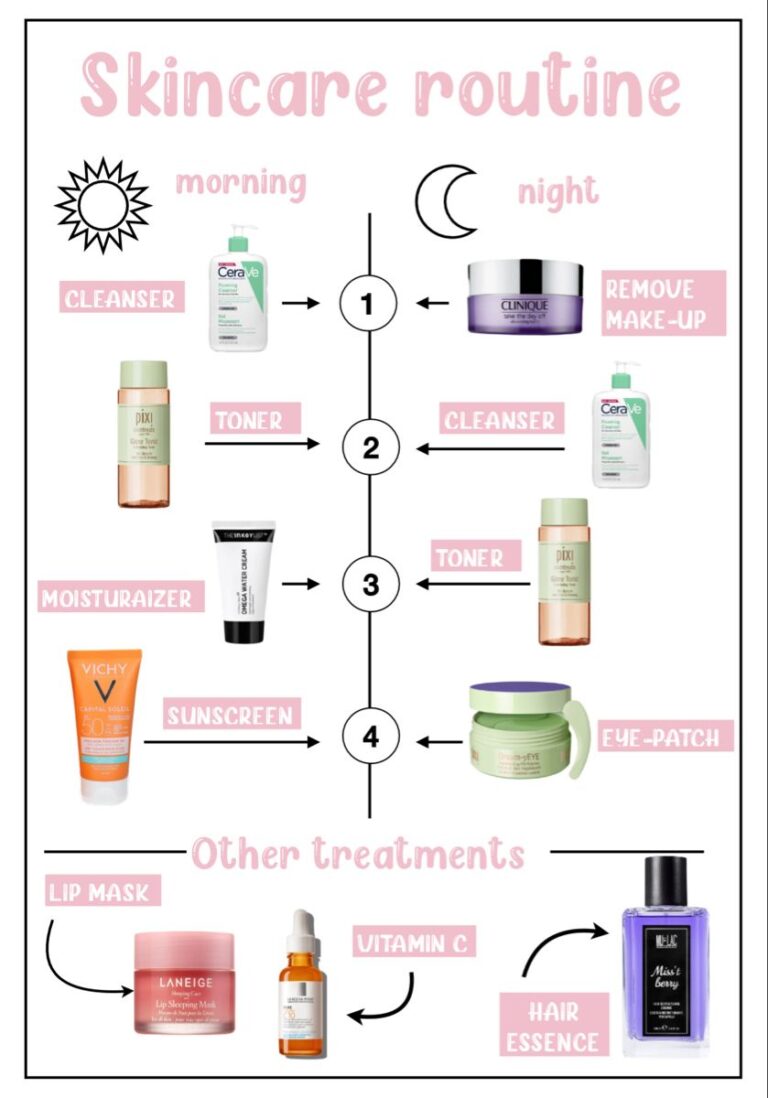
A Simple Routine for Clear Skin
Clear skin often comes from simplicity rather than complexity.
A basic routine may include:
A gentle cleanser, a lightweight moisturizer, and daily sunscreen in the morning.
In the evening, cleanse the skin, apply any targeted treatment if needed, and finish with moisturizer.
This simple structure provides cleansing, hydration, protection, and support for healthy skin function.
When to Seek Professional Help
While many cases of mild acne improve with proper skincare, persistent or severe breakouts may require professional treatment.
A dermatologist can identify underlying causes and recommend treatments tailored to your specific needs.
Seeking expert guidance can help prevent unnecessary frustration and reduce the risk of long-term scarring.
Final Thoughts
Clear skin does not require harsh cleansers, aggressive treatments, or complicated routines. In fact, many people achieve better results when they focus on supporting their skin rather than attacking it.
Gentle cleansing, proper hydration, daily sun protection, stress management, and consistent skincare habits often provide a stronger foundation for healthy skin than harsh products ever could.
By respecting your skin barrier and giving your skin the care it needs, you can work toward a clearer, calmer, and healthier complexion over time. Lasting results come from consistency, patience, and a balanced approach to skincare—not from trying to force rapid changes with overly aggressive products.