The Truth About Vitamin C and What It Does for Your Skin
Vitamin C has become one of the most talked-about ingredients in modern skincare. From serums and moisturizers to masks and treatments, it seems like this powerful antioxidant is everywhere. But with so many claims surrounding Vitamin C, many people wonder whether it truly lives up to the hype.
The reality is that Vitamin C is one of the most researched and effective skincare ingredients available today. When used correctly, it can help brighten the complexion, reduce signs of aging, protect against environmental damage, and improve overall skin health.
In this guide, we’ll explore the truth about Vitamin C, how it works, its benefits, potential side effects, and how to use it effectively in your skincare routine.
What Is Vitamin C?
Vitamin C, also known as ascorbic acid, is a powerful antioxidant naturally found in the body. It plays an essential role in collagen production, wound healing, and protecting cells from oxidative stress.
In skincare, Vitamin C is used to help defend the skin against free radicals, which are unstable molecules generated by factors such as pollution, UV radiation, and environmental stressors.
Over time, free radical damage can contribute to premature aging, uneven skin tone, and loss of skin elasticity. Vitamin C helps neutralize these harmful effects and supports healthier-looking skin.
Why Vitamin C Is So Popular in Skincare
The popularity of Vitamin C is not simply a marketing trend. Dermatologists and skincare experts often recommend it because it addresses multiple skin concerns simultaneously.
Unlike many ingredients that target only one problem, Vitamin C offers several benefits at once. It can brighten dull skin, improve skin texture, support collagen production, and help protect against environmental damage.
This versatility makes it one of the most valuable additions to a skincare routine.
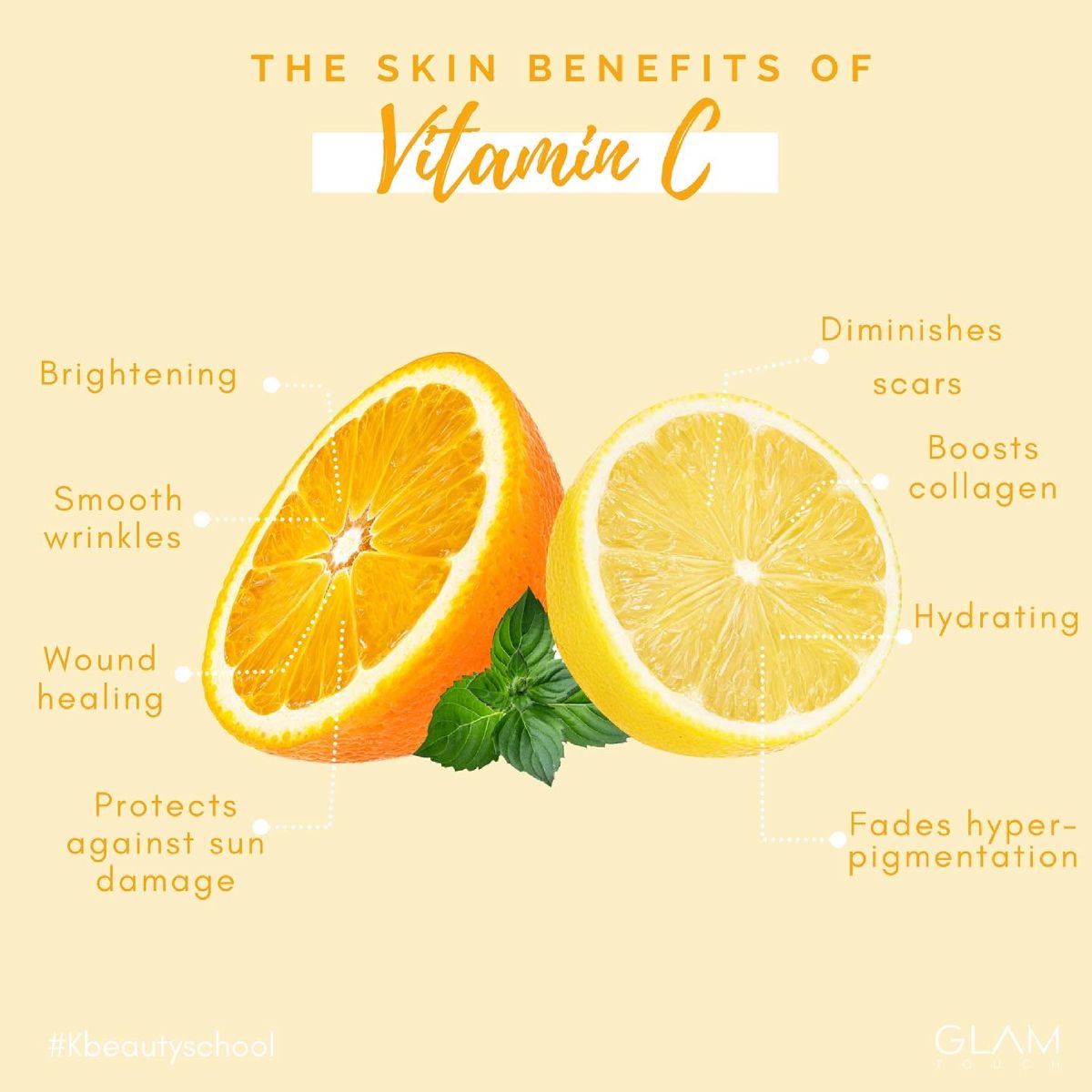
How Vitamin C Benefits Your Skin
Brightens Dull Complexion
One of the most noticeable effects of Vitamin C is its ability to improve skin brightness.
Over time, dead skin cells, sun exposure, and environmental stress can leave the skin looking tired and dull. Vitamin C helps promote a more radiant appearance by reducing factors that contribute to uneven skin tone.
Many people notice that their skin appears fresher and healthier after consistent use.
Helps Fade Dark Spots
Hyperpigmentation is a common concern that affects people of all skin types.
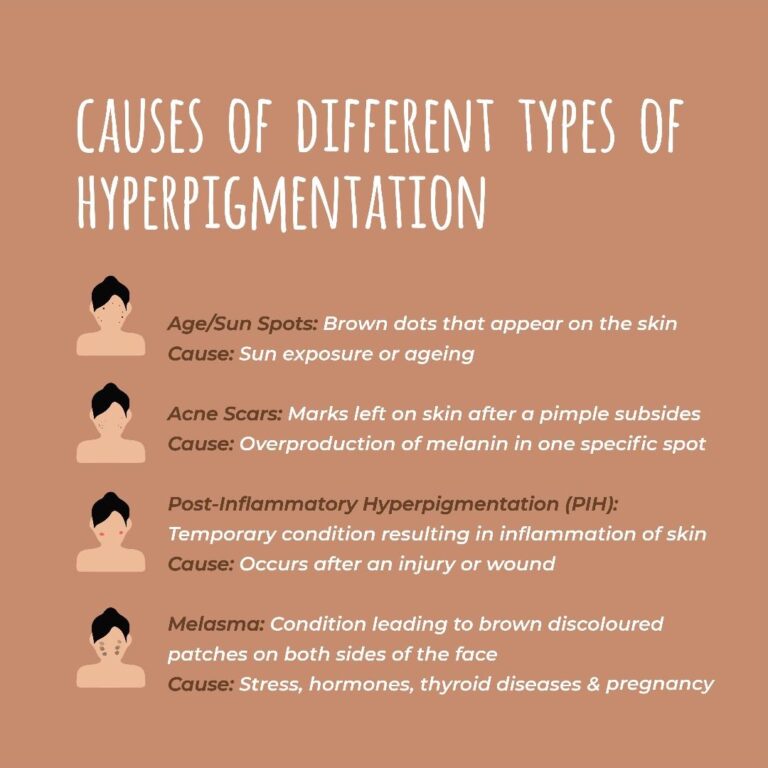
Dark spots can develop due to acne scars, sun damage, hormonal changes, or inflammation. Vitamin C helps reduce excess melanin production, which can gradually fade discoloration and create a more even complexion.
Results are not immediate, but consistent use often leads to visible improvements over time.
Supports Collagen Production
Collagen is a protein responsible for maintaining skin firmness and elasticity.
As we age, natural collagen production begins to decline. This process contributes to wrinkles, fine lines, and skin sagging.
Vitamin C plays a crucial role in collagen synthesis. By supporting collagen production, it helps maintain smoother, firmer, and younger-looking skin.
This is one reason why Vitamin C is frequently included in anti-aging skincare routines.
Protects Against Environmental Damage
Every day, the skin is exposed to pollution, ultraviolet radiation, smoke, and other environmental aggressors.
These factors generate free radicals that damage skin cells and accelerate aging.
As an antioxidant, Vitamin C helps neutralize free radicals before they can cause significant harm. While it should never replace sunscreen, it provides an additional layer of protection against environmental stress.
Improves Overall Skin Tone
Many people use Vitamin C because it helps create a more balanced complexion.
Uneven skin tone can result from sun exposure, inflammation, aging, and acne. Regular use of Vitamin C may help improve clarity and create a smoother, healthier appearance.
Different Forms of Vitamin C
Not all Vitamin C products are created equal. Several forms are commonly used in skincare formulations.
L-Ascorbic Acid
L-Ascorbic Acid is the purest and most researched form of Vitamin C.
It is highly effective but can sometimes be irritating, especially for sensitive skin. It is also less stable than some alternative forms, meaning it can degrade when exposed to air or light.
Sodium Ascorbyl Phosphate
This form is generally more stable and often recommended for acne-prone skin.
It provides antioxidant benefits while being less likely to cause irritation.
Magnesium Ascorbyl Phosphate
Magnesium Ascorbyl Phosphate is another gentle derivative that offers brightening and hydrating benefits.
Many people with sensitive skin tolerate this form well.
Ascorbyl Glucoside
Ascorbyl Glucoside combines stability with effectiveness, making it a popular choice in many modern skincare products.
While it may work more slowly than pure L-Ascorbic Acid, it remains a reliable option for daily use.
How to Use Vitamin C in Your Routine
Vitamin C is most commonly found in serum form.
After cleansing and before moisturizing, apply a few drops of Vitamin C serum to dry skin. Allow it to absorb fully before applying additional products.
Many skincare professionals recommend using Vitamin C in the morning because it helps protect the skin from daily environmental stressors.
A typical morning routine may include:
Cleanser, Vitamin C serum, moisturizer, and sunscreen.
This combination provides hydration, antioxidant protection, and UV defense throughout the day.
How Long Does Vitamin C Take to Work?
One of the most common questions about Vitamin C involves how quickly results appear.
The answer depends on your skin concerns, product formulation, and consistency of use.
Some people notice increased brightness within a few weeks. Improvements in dark spots, fine lines, and overall skin tone may take several months.
Like most skincare ingredients, Vitamin C delivers the best results when used consistently over time.
Patience is important because meaningful skin improvements rarely happen overnight.
Can Vitamin C Be Used with Other Ingredients?
Vitamin C works well alongside many skincare ingredients.
It is commonly paired with:
- Hyaluronic Acid
- Niacinamide
- Ceramides
- Peptides
- Sunscreen
These combinations help enhance hydration, barrier support, and overall skin health.
While older skincare advice suggested avoiding Vitamin C and Niacinamide together, modern research indicates that they can be safely used within the same routine.
Common Mistakes When Using Vitamin C
Many people fail to achieve results because they unknowingly make mistakes during application.
One common issue is inconsistent use. Applying Vitamin C occasionally is unlikely to produce noticeable improvements.
Another mistake is using oxidized products. Vitamin C is sensitive to air and light. If a serum turns dark orange or brown, it may have degraded and become less effective.
Using excessively high concentrations can also cause irritation. Beginners often assume stronger products are always better, but this is not necessarily true.
Starting with moderate concentrations and gradually increasing if needed is often the best approach.
Potential Side Effects
Vitamin C is generally well tolerated by most skin types.
However, some individuals may experience mild side effects, especially when first introducing the ingredient.
Possible reactions include:
- Mild redness
- Tingling
- Temporary irritation
- Dryness
These symptoms often improve as the skin adjusts.
People with highly sensitive skin may prefer gentler Vitamin C derivatives rather than pure L-Ascorbic Acid.
Choosing a Good Vitamin C Product
When shopping for Vitamin C skincare products, quality matters.
Look for products packaged in dark or opaque containers, as exposure to sunlight can reduce effectiveness.
The ingredient list should clearly indicate the form of Vitamin C being used.
A well-formulated serum should also contain supporting ingredients that improve stability and absorption.
Avoid products that make unrealistic promises or claim overnight transformations.
Is Vitamin C Worth Using?
Based on scientific research and clinical experience, the answer is yes.
Vitamin C remains one of the most beneficial skincare ingredients available today. It addresses multiple concerns simultaneously, including dullness, uneven skin tone, environmental damage, and visible signs of aging.
Its versatility makes it suitable for many skin types and skincare goals.
When combined with a consistent routine and daily sun protection, Vitamin C can contribute significantly to healthier, brighter, and more youthful-looking skin.
Final Thoughts
Vitamin C has earned its reputation as a skincare powerhouse for good reason. It is supported by extensive research and offers a wide range of benefits that extend beyond simple brightening.
From supporting collagen production and reducing dark spots to defending against environmental damage, Vitamin C can play an important role in maintaining healthy skin.
The key to success is choosing a quality product, using it consistently, and allowing enough time for results to develop. While it is not a miracle ingredient, it is one of the most effective tools available for improving skin health and achieving a more radiant complexion.
For anyone looking to build a science-backed skincare routine, Vitamin C is an ingredient worth considering.