Everything You Need to Know about Oily Skin Care: Proven Strategies for a Shine‑free Complexion
Struggling with persistent shine and frequent breakouts can feel overwhelming, especially when you’re unsure which products actually help. Everything You Need to Know about Oily Skin Care begins with understanding that oily skin isn’t a flaw—it’s a skin type that requires a tailored approach to balance sebum production without stripping essential moisture.
In the following guide, you’ll discover science‑backed routines, ingredient insights, and lifestyle tweaks that keep excess oil at bay while preserving a healthy barrier. By the end, you’ll have a clear, actionable plan to transform your complexion from greasy to glow‑worthy.
- Oily skin results from overactive sebaceous glands, but genetics, hormones, and environment all play a role.
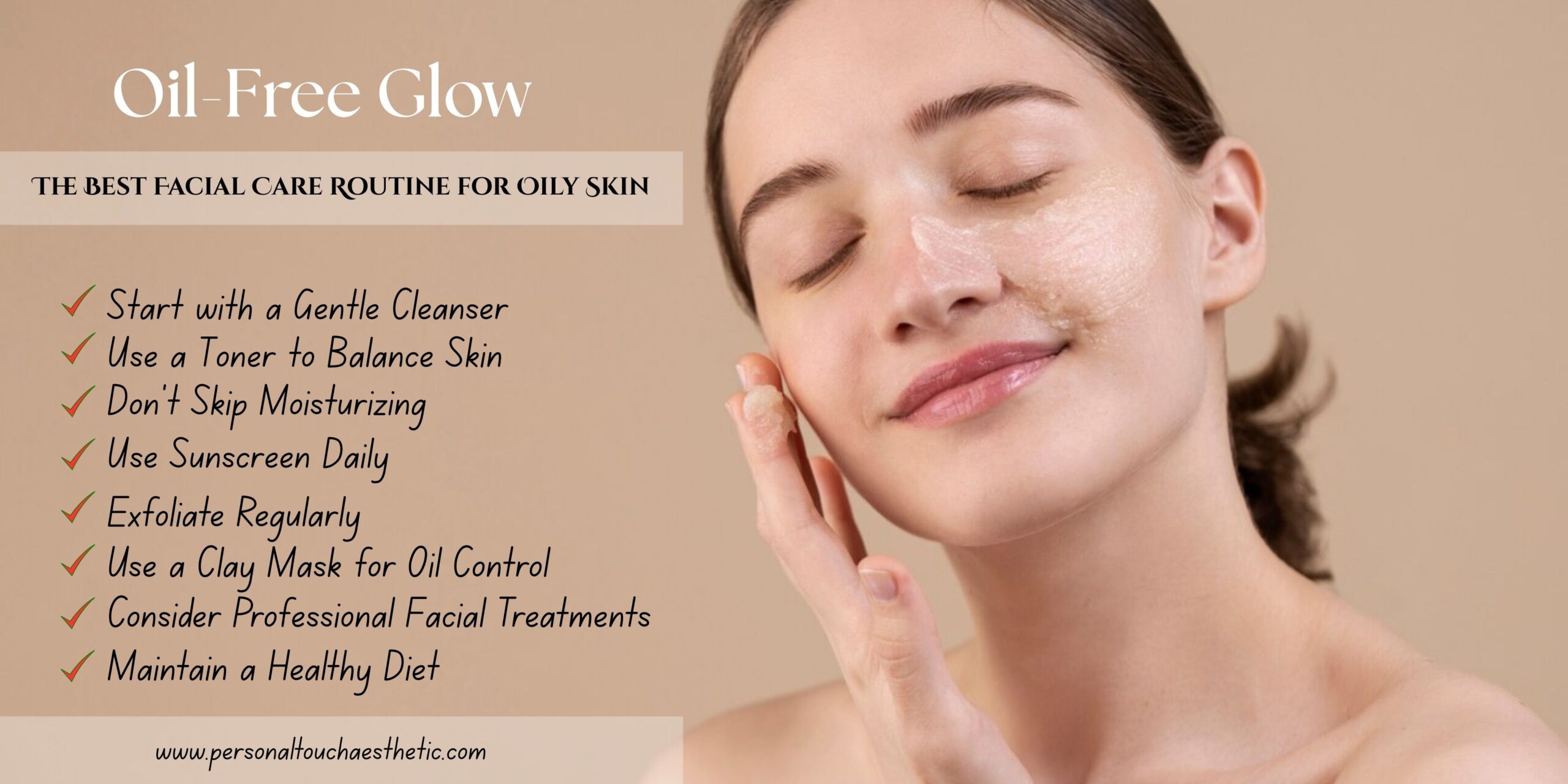
- Gentle, sulfate‑free cleansers and alcohol‑free toners prevent over‑stripping while controlling shine.
- Lightweight, non‑comedogenic moisturizers with niacinamide or hyaluronic acid hydrate without clogging pores.
- Regular exfoliation (2‑3 times weekly) with salicylic acid keeps pores clear and reduces breakout frequency.
- Diet, stress management, and proper sleep directly influence sebum production and overall skin health.
Everything You Need to Know about Oily Skin Care: Understanding Your Skin Type
First, recognize that oily skin exhibits a noticeable sheen, especially in the T‑zone, and often feels thicker to the touch. This occurs because sebaceous glands produce excess sebum, which can mix with dead skin cells and clog pores.
Consequently, the goal isn’t to eliminate oil entirely but to regulate it. Over‑cleansing can trigger a rebound effect, causing glands to produce even more oil. Therefore, a balanced routine respects the skin’s natural barrier while managing shine.
Everything You Need to Know about Oily Skin Care: Causes of Excess Sebum
Several factors stimulate sebaceous activity. Hormonal fluctuations during puberty, menstruation, or stress increase androgen levels, which boost oil output. Genetics also determine baseline sebum production, making some individuals naturally oilier.
In addition, environmental humidity and certain skincare products—particularly those containing heavy oils or alcohol—can exacerbate shine. Consequently, identifying personal triggers helps you customize an effective regimen.
Everything You Need to Know about Oily Skin Care: Building an Effective Morning Routine
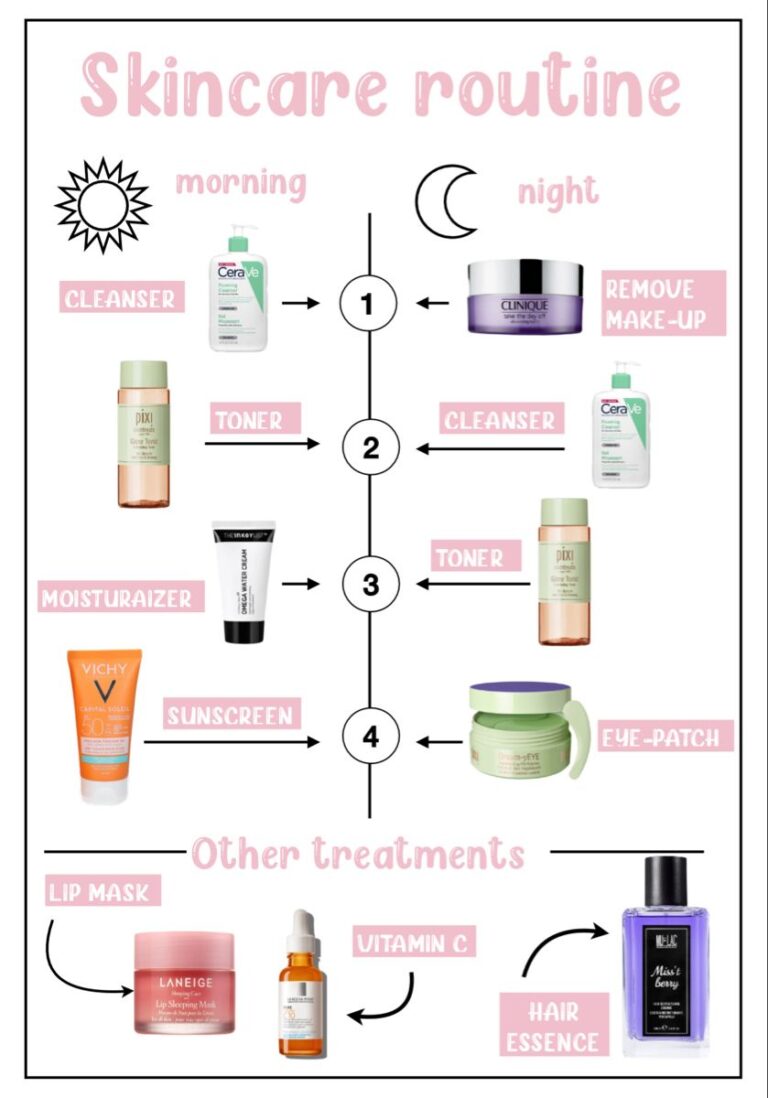
A morning routine sets the tone for the day by removing overnight buildup and preparing skin for makeup or sunscreen. Start with a gentle cleanser that removes sweat and excess oil without disrupting the pH balance.
Furthermore, follow with an alcohol‑free toner containing witch hazel or rose water to refine pores and restore acidity. This step reduces the likelihood of midday shine while soothing any irritation.
Everything You Need to Know about Oily Skin Care: Cleansing Tips for Oily Skin
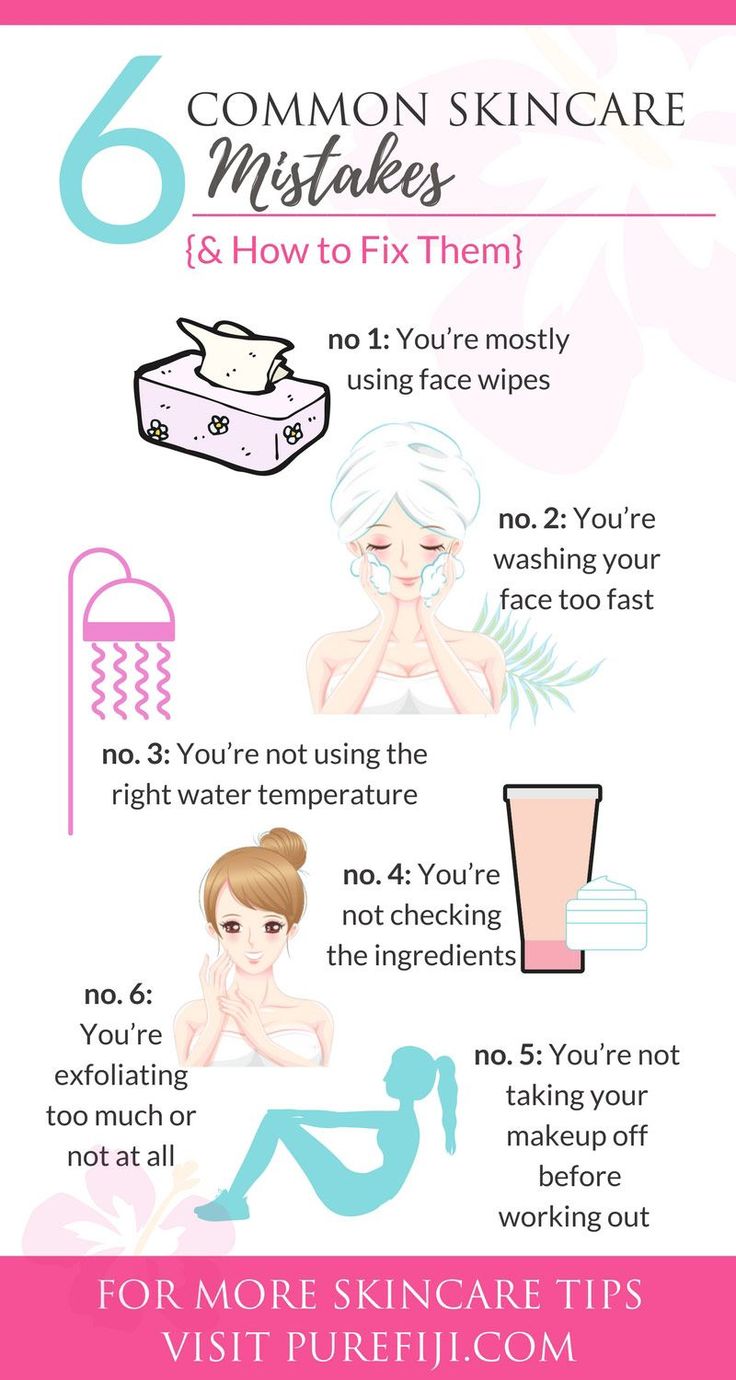
Choose a gel or foaming cleanser with salicylic acid or tea tree oil; these ingredients penetrate pores to dissolve sebum and impurities. Massage the cleanser onto damp skin for 30 seconds, then rinse with lukewarm water—hot water can stimulate more oil production.
As a result, your skin feels clean but not tight. Avoid scrubbing aggressively; excessive friction can irritate the barrier and paradoxically increase oil secretion.
Everything You Need to Know about Oily Skin Care: Toning and Balancing
After cleansing, apply a toner with niacinamide or zinc PCA to regulate sebum and reduce inflammation. Pat the toner onto the skin using fingertips or a cotton pad; do not rub.
Moreover, a well‑formulated toner minimizes the appearance of pores and prepares the skin to absorb subsequent products more effectively. This step is especially beneficial for those who wear makeup daily.
Everything You Need to Know about Oily Skin Care: Selecting a Mattifying Moisturizer
Even oily skin needs hydration; skipping moisturizer can lead to dehydration, which triggers excess oil production. Opt for a lightweight, gel‑based moisturizer containing hyaluronic acid, glycerin, or squalane.
Furthermore, look for mattifying agents such as silica or dimethicone that create a soft‑focus finish without feeling greasy. Apply a pea‑sized amount to the entire face, focusing on drier areas if needed.
Everything You Need to Know about Oily Skin Care: Nighttime Care Strategies
Nighttime is when the skin repairs itself, making it the ideal window for targeted treatments. Begin with a double cleanse if you wore sunscreen or makeup: first an oil‑based cleanser to dissolve impurities, followed by your regular gel cleanser.
Consequently, this ensures a clean canvas for active ingredients to work overnight without being blocked by surface residue.
Everything You Need to Know about Oily Skin Care: Night Cleansing and Exfoliation
Exfoliate 2‑3 times per week using a chemical exfoliant like salicylic acid (BHA) or glycolic acid (AHA). BHAs are oil‑soluble, making them particularly effective for oily, acne‑prone skin.
Furthermore, avoid physical scrubs that can cause micro‑tears; chemical exfoliation provides uniform cell turnover without irritation. Follow exfoliation with a soothing toner to calm the skin.
Everything You Need to Know about Oily Skin Care: Treatment Serums for Oily Skin
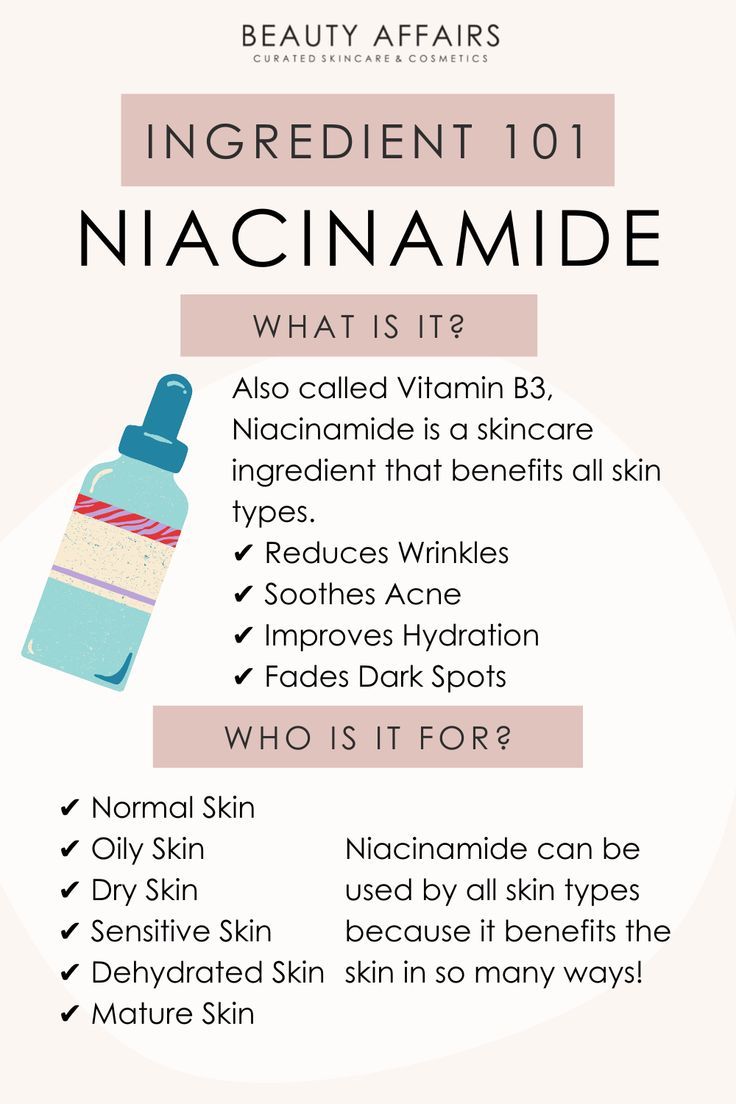
After toning, apply a serum containing niacinamide (5‑10%) to regulate sebum, reduce redness, and strengthen the barrier. Alternatively, a serum with retinol (0.1‑0.3%) can promote cell turnover and prevent clogged pores.
Moreover, if you experience occasional breakouts, spot‑treat with benzoyl peroxide (2.5%) or sulfur on affected areas. Finish with your lightweight moisturizer to lock in actives.
Everything You Need to Know about Oily Skin Care: Lifestyle and Dietary Factors
Skincare products alone cannot fully control oil if lifestyle habits counteract your efforts. Diet, stress, and sleep all influence hormonal balance, which directly affects sebaceous gland activity.
Furthermore, incorporating specific changes can amplify the benefits of your topical routine and lead to lasting improvements.
First, limit high‑glycemic foods such as white bread, sugary snacks, and processed cereals; these spikes in blood sugar can increase insulin and androgen levels, driving oil production.
In addition, omega‑3 rich foods like salmon, flaxseeds, and walnuts help reduce inflammation and may modulate sebum output. Staying hydrated by drinking at least eight glasses of water daily supports overall skin health.
Moreover, chronic stress elevates cortisol, which stimulates sebaceous glands. Practice stress‑reduction techniques such as yoga, meditation, or deep‑breathing exercises for at least 10 minutes daily.
Finally, aim for 7‑9 hours of quality sleep each night; poor sleep disrupts hormonal rhythms and can lead to a dull, oily complexion.
Everything You Need to Know about Oily Skin Care: Common Myths Debunked
Misinformation about oily skin often leads to counterproductive habits. Let’s examine a few prevalent myths and replace them with evidence‑based facts.
Myth 1: “Oily skin doesn’t need moisturizer.” Fact: Skipping moisturizer compromises the barrier, prompting glands to produce more oil to compensate.
Myth 2: “Washing your face multiple times a day eliminates oil.” Fact: Over‑washing strips essential lipids, triggering rebound oiliness and irritation.
Myth 3: “All oils are bad for oily skin.” Fact: Certain non‑comedogenic oils like jojoba or grapeseed oil can mimic the skin’s natural sebum and actually help regulate production.
By dispelling these myths, you can adopt a smarter, more effective approach to managing oily skin.
Frequently Asked Questions
What is the best cleanser for oily skin?
The best cleanser for oily skin is a gentle, sulfate‑free gel or foaming formula that contains salicylic acid, tea tree oil, or niacinamide. These ingredients remove excess sebum and impurities without over‑drying the skin. Use it twice daily—morning and night—and follow with an alcohol‑free toner to maintain pH balance.
Can I use oil‑based products if I have oily skin?
Yes, but choose non‑comedogenic, lightweight oils such as jojoba, squalane, or grapeseed oil. These oils closely resemble the skin’s natural sebum and can help regulate production when used sparingly. Avoid heavy oils like coconut or mineral oil, which are more likely to clog pores and exacerbate shine.
How often should I exfoliate oily skin?
Exfoliate oily skin 2‑3 times per week using a chemical exfoliant like salicylic acid (BHA) or glycolic acid (AHA). BHAs are ideal because they penetrate oil‑filled pores, dissolving debris and preventing breakouts. Avoid physical scrubs on active breakouts, as they can cause irritation and spread bacteria.
Does diet really affect oily skin?
Absolutely. High‑glycemic foods and dairy can elevate insulin and androgen levels, stimulating sebaceous glands to produce more oil. Incorporating omega‑3 rich foods, antioxidants, and staying hydrated helps balance hormones and reduce inflammation, leading to less shine and fewer breakouts.
Is it necessary to use a toner for oily skin?
While not mandatory, a well‑formulated toner offers significant benefits for oily skin. It removes any residual cleanser, restores the skin’s acidic pH, and prepares the surface for better absorption of serums and moisturizers. Look for toners with niacinamide, zinc PCA, or witch hazel to control shine and minimize pore appearance.
Ready to Transform Your Oily Skin?
Start your journey to a shine‑free, healthy complexion today. Explore Our Recommended Oily Skin Care Kit