
The Best Ingredients for Brighter and More Even-Toned Skin
Achieving brighter, healthier, and more even-toned skin is one of the most common skincare goals. Many people struggle with concerns such as dullness, dark spots, acne marks, uneven pigmentation, redness, and discoloration that prevent their complexion from looking clear and radiant.
While there are countless skincare products that promise instant results, the truth is that improving skin tone requires the right ingredients, consistent skincare habits, and patience. Understanding which ingredients are backed by science can help you make better decisions and avoid wasting money on ineffective products.
The good news is that several skincare ingredients have been extensively studied and proven to improve brightness, reduce discoloration, and promote a more even complexion. Whether your skin concerns are caused by sun damage, acne scars, aging, or hyperpigmentation, these ingredients can help support healthier-looking skin over time.
In this guide, we’ll explore the best ingredients for brighter and more even-toned skin, how they work, and how to incorporate them into your skincare routine.
Why Skin Tone Becomes Uneven
Before discussing treatment options, it is important to understand what causes uneven skin tone.
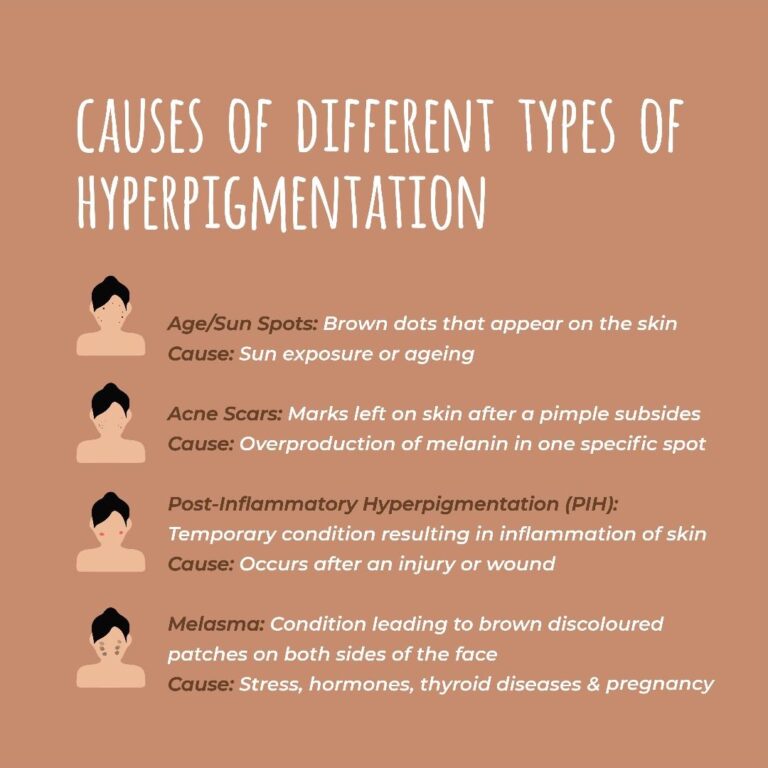
Several factors can contribute to discoloration and dullness. Excessive sun exposure is one of the most common causes because ultraviolet radiation stimulates melanin production. Over time, this can lead to sunspots and uneven pigmentation.
Acne is another major contributor. After inflammation subsides, dark marks often remain behind, a condition known as post-inflammatory hyperpigmentation.
Hormonal changes, aging, environmental stressors, and skin irritation can also affect skin tone and contribute to discoloration.
Fortunately, the right skincare ingredients can help address many of these concerns.
Vitamin C
Vitamin C is often considered one of the most effective ingredients for brightening the skin.
As a powerful antioxidant, Vitamin C helps protect the skin from environmental damage caused by pollution and ultraviolet exposure. It also plays a role in reducing excess melanin production, which contributes to dark spots and uneven pigmentation.
One of the reasons Vitamin C is so popular is that it provides multiple benefits at once. It helps improve radiance, supports collagen production, and contributes to a healthier overall complexion.
With consistent use, many people notice that their skin appears brighter, fresher, and more balanced.
Vitamin C is commonly used in morning skincare routines because of its protective antioxidant properties.
Niacinamide
Niacinamide has become one of the most recommended skincare ingredients in recent years.
This form of Vitamin B3 offers several benefits that contribute to a more even skin tone. It helps reduce the transfer of pigment within the skin, which can gradually fade discoloration and improve overall clarity.
In addition to its brightening effects, niacinamide supports the skin barrier, reduces redness, improves hydration, and helps regulate oil production.
Because it is generally well tolerated by most skin types, niacinamide is often recommended for individuals dealing with both pigmentation concerns and sensitive skin.
Retinol
Retinol is widely recognized for its anti-aging benefits, but it also plays an important role in improving uneven skin tone.
By accelerating cell turnover, retinol helps remove older pigmented cells and encourages the growth of new skin cells.
This process gradually improves discoloration while supporting smoother and healthier-looking skin.
Retinol can be particularly helpful for individuals dealing with post-acne marks, sun damage, and age-related pigmentation concerns.
Because retinol can cause temporary irritation, it is usually introduced gradually into a skincare routine.
Hyaluronic Acid
Although hyaluronic acid is not technically a brightening ingredient, it plays a valuable supporting role.
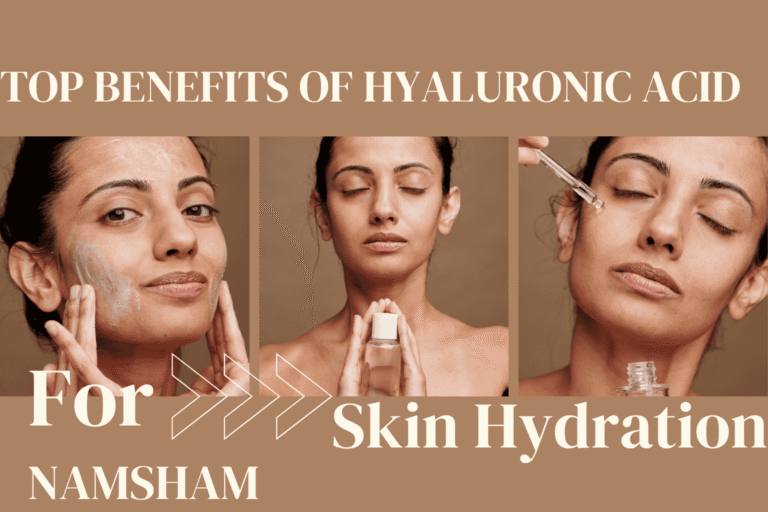
Dehydrated skin often appears dull, rough, and tired. By increasing hydration levels, hyaluronic acid helps improve skin texture and creates a plumper, more radiant appearance.
Hydrated skin reflects light more effectively, which naturally contributes to a healthier-looking complexion.
This is why many brightening products include hydrating ingredients alongside active treatments.
Alpha Arbutin
Alpha arbutin has gained popularity as a targeted ingredient for hyperpigmentation.
It works by helping reduce melanin production within the skin, which may gradually lighten dark spots and uneven areas.
Many individuals appreciate alpha arbutin because it provides brightening benefits while remaining relatively gentle compared to some stronger treatment options.
Consistent use often leads to noticeable improvements in skin clarity and overall tone.
Azelaic Acid
Azelaic acid is one of the most versatile ingredients available for treating pigmentation concerns.
It helps reduce inflammation, improve acne-prone skin, and support a more even complexion.
One of its most valuable properties is its ability to target post-inflammatory hyperpigmentation, making it particularly useful for individuals who develop dark marks after breakouts.
Azelaic acid is also commonly recommended for individuals with redness-prone skin because of its calming effects.
Licorice Root Extract
Natural skincare ingredients can also contribute to brighter skin.
Licorice root extract contains compounds that help reduce excess pigmentation and improve overall skin tone.
It is frequently included in brightening serums and moisturizers because it offers soothing properties alongside its brightening effects.
Many people with sensitive skin appreciate licorice root extract because it is generally gentle and well tolerated.
Tranexamic Acid
Tranexamic acid has become increasingly popular in skincare formulations targeting hyperpigmentation.
It is particularly effective for addressing stubborn discoloration and melasma.
By helping regulate pigment production pathways within the skin, tranexamic acid may improve uneven skin tone while reducing the appearance of persistent dark patches.
It is often combined with ingredients such as niacinamide and Vitamin C for enhanced results.
Ceramides
While ceramides are not brightening agents themselves, they play an essential role in maintaining healthy skin.
A damaged skin barrier can contribute to inflammation, irritation, and worsening pigmentation.
Ceramides help strengthen the skin barrier and support moisture retention, creating an environment where the skin can heal more effectively.
Healthy skin often appears naturally brighter and more balanced.
Exfoliating Acids
Gentle exfoliation can help improve dullness and uneven skin tone.
Ingredients such as glycolic acid and lactic acid work by removing dead skin cells from the surface of the skin.
As newer cells emerge, the complexion often appears brighter and smoother.
However, moderation is important. Excessive exfoliation can damage the skin barrier and potentially worsen pigmentation concerns.
Most individuals achieve good results by using exfoliating products only a few times per week.
Why Sunscreen Is Essential
No brightening skincare routine is complete without sunscreen.
Many people invest in expensive treatment products but neglect daily sun protection.
Ultraviolet exposure stimulates melanin production and can worsen existing discoloration. It can also undo progress achieved through skincare treatments.
Using a broad-spectrum sunscreen with SPF 30 or higher every day helps protect the skin while supporting long-term improvements in skin tone.
Without sunscreen, brightening ingredients cannot perform at their full potential.
Building a Brightening Skincare Routine
A successful brightening routine does not need to be overly complicated.
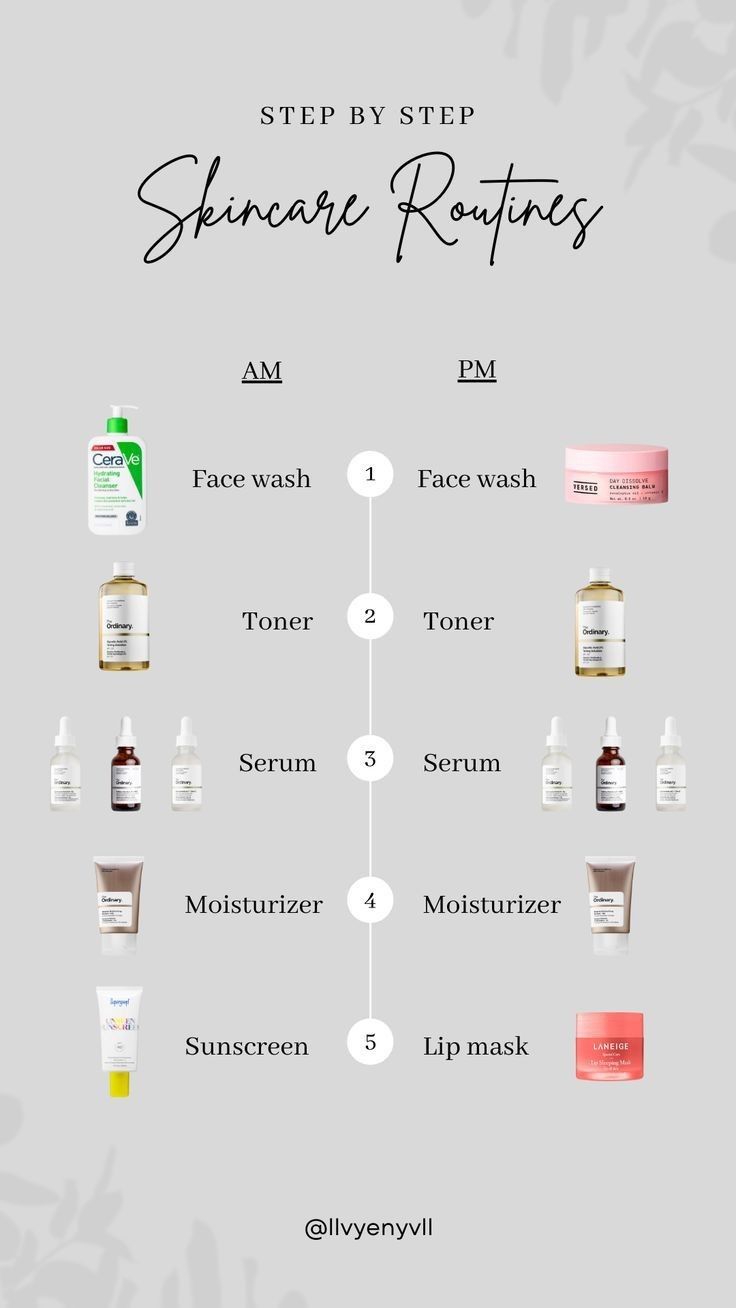
In the morning, a gentle cleanser can be followed by a Vitamin C serum, moisturizer, and sunscreen.
In the evening, cleansing should be followed by treatment products such as niacinamide, retinol, alpha arbutin, or azelaic acid, depending on individual needs.
A quality moisturizer helps maintain hydration and support skin barrier function.
Consistency matters more than using numerous products simultaneously.
Common Mistakes to Avoid
Many people make the mistake of expecting immediate results.
Pigmentation concerns typically develop over time and often require weeks or months of consistent treatment to improve.
Another common mistake is combining too many active ingredients at once. This can increase irritation and potentially worsen skin concerns.
Skipping sunscreen remains one of the most significant obstacles to achieving an even complexion.
Finally, constantly switching products prevents the skin from receiving the consistent treatment necessary for visible improvements.
How Long Does It Take to See Results?
The timeline varies depending on the severity of pigmentation and the ingredients being used.
Some individuals notice increased brightness within a few weeks. More significant improvements involving dark spots and uneven pigmentation often require several months of regular use.
The key is maintaining realistic expectations and remaining consistent with your routine.
Gradual improvement is normal and often leads to more sustainable results.
Final Thoughts
Brighter and more even-toned skin is achievable with the right combination of skincare ingredients and daily habits. Vitamin C, niacinamide, retinol, alpha arbutin, azelaic acid, and tranexamic acid are among the most effective ingredients for addressing discoloration and improving overall skin tone.
At the same time, hydration, skin barrier support, and daily sun protection play equally important roles in maintaining healthy skin. No single ingredient can transform the complexion overnight, but consistent use of proven ingredients can produce significant improvements over time.
By focusing on science-backed skincare and maintaining a simple, consistent routine, you can work toward clearer, brighter, and more radiant skin that looks healthy and balanced year-round.