Effective Ways to Reduce Acne Scars and Dark Marks
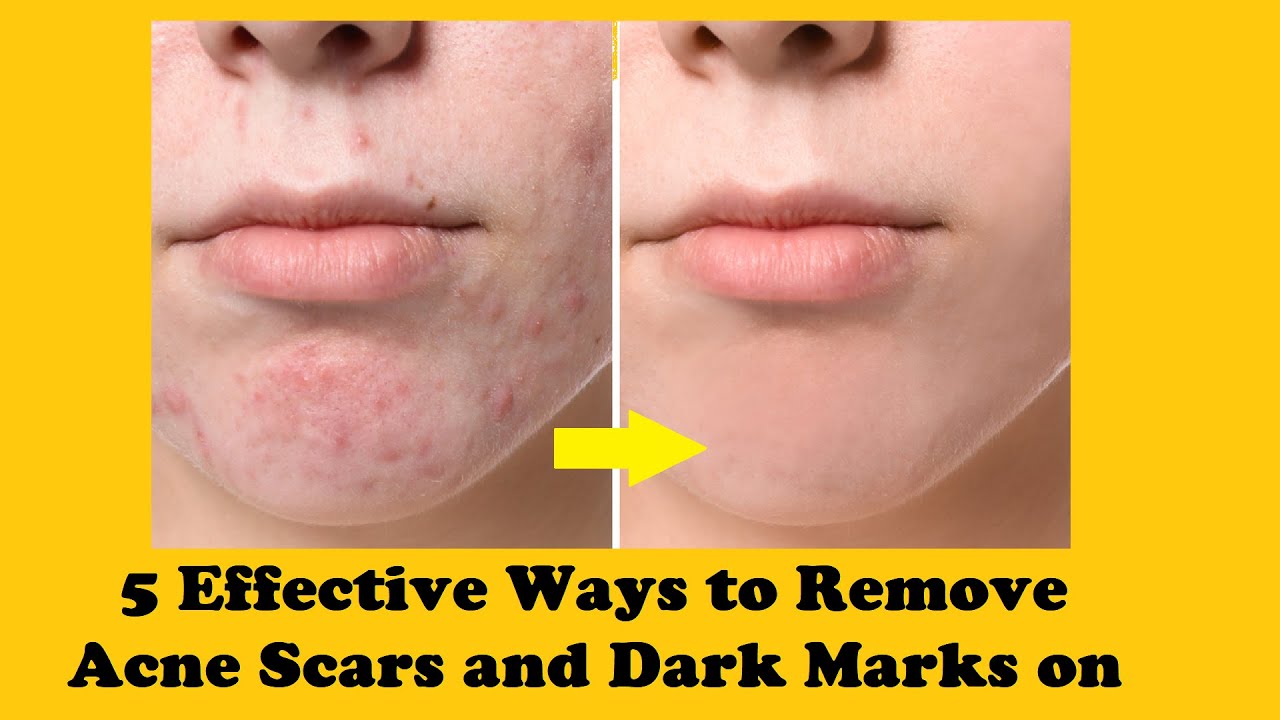
Acne may eventually disappear, but for many people, the marks it leaves behind can linger for months or even years. Acne scars and dark spots are among the most common skincare concerns, affecting individuals of all ages and skin types. Even after breakouts are under control, these lingering reminders can impact confidence and make achieving a smooth, even complexion feel challenging.
The good news is that acne scars and dark marks can often be improved with the right skincare routine, patience, and consistency. While complete removal may not always be possible, there are many effective ways to reduce their appearance and promote healthier-looking skin.
In this guide, we’ll explore the different types of acne marks, why they develop, and the most effective methods for fading discoloration and improving skin texture.
Understanding the Difference Between Acne Scars and Dark Marks
Many people use the terms acne scars and dark marks interchangeably, but they are not the same thing.
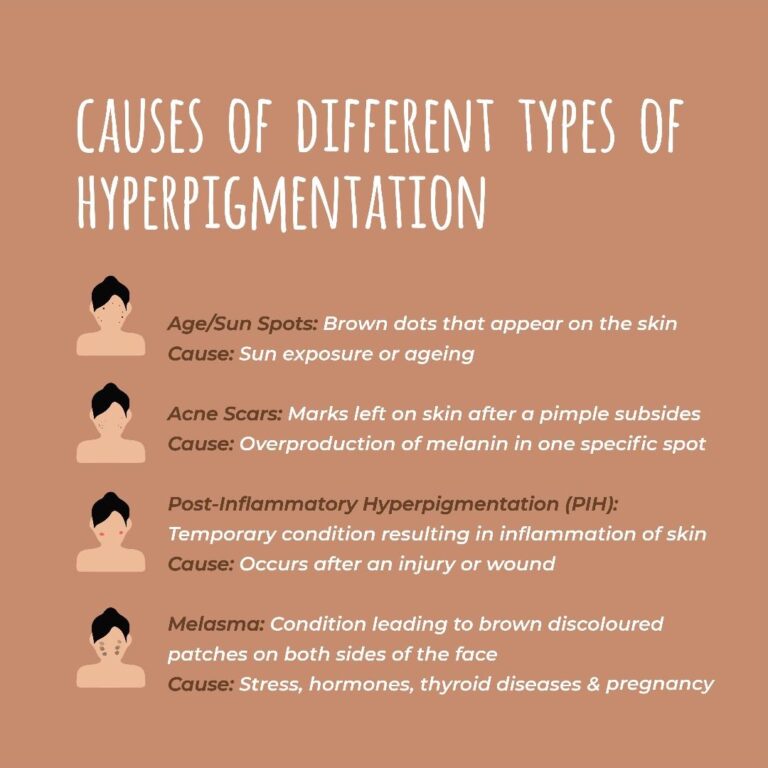
Dark marks, often called post-inflammatory hyperpigmentation, are flat areas of discoloration that remain after a blemish heals. These spots may appear brown, red, pink, or purple depending on skin tone and severity.
Acne scars, on the other hand, involve changes in the skin’s texture. They occur when deeper inflammation damages the skin’s structure during the healing process.
Understanding the difference is important because each condition responds to different treatments.
Why Acne Leaves Marks Behind
Whenever the skin experiences inflammation, it activates its natural healing response.
In some cases, excess pigment is produced during healing, resulting in dark spots. In other cases, collagen production becomes disrupted, leading to visible scars.
Several factors increase the likelihood of acne marks, including severe breakouts, delayed treatment, frequent inflammation, and picking or squeezing pimples.
The more intense the inflammation, the greater the chance of long-term skin changes.
Types of Acne Scars
Acne scars come in several forms.
Atrophic scars are the most common type. These appear as depressions or indentations in the skin and develop when insufficient collagen is produced during healing.
Ice pick scars are narrow and deep, creating small holes in the skin.
Boxcar scars appear wider with defined edges and create a pitted appearance.
Rolling scars create uneven skin texture with gentle wave-like depressions.
Some individuals develop raised scars known as hypertrophic scars, which occur when excessive collagen forms during healing.
Each scar type may respond differently to treatment methods.
Preventing New Acne Marks
The most effective way to reduce acne scars is to prevent them from forming in the first place.
Treating active acne promptly helps minimize inflammation and reduces the likelihood of permanent marks.
Avoiding the temptation to squeeze or pick blemishes is equally important. Manipulating pimples often pushes inflammation deeper into the skin and increases the risk of scarring.
A consistent skincare routine and early acne management can significantly reduce future skin damage.
Use Sunscreen Every Day
Daily sunscreen use is one of the most effective yet overlooked strategies for fading dark marks.
Ultraviolet exposure stimulates pigment production and can make post-acne discoloration appear darker and more persistent.
Even if you’re using treatments designed to fade hyperpigmentation, sun exposure can slow progress considerably.
A broad-spectrum sunscreen with SPF 30 or higher should be applied every morning and reapplied when necessary.
Consistent sun protection helps prevent existing marks from becoming darker while supporting the skin’s natural healing process.
Incorporate Vitamin C Into Your Routine
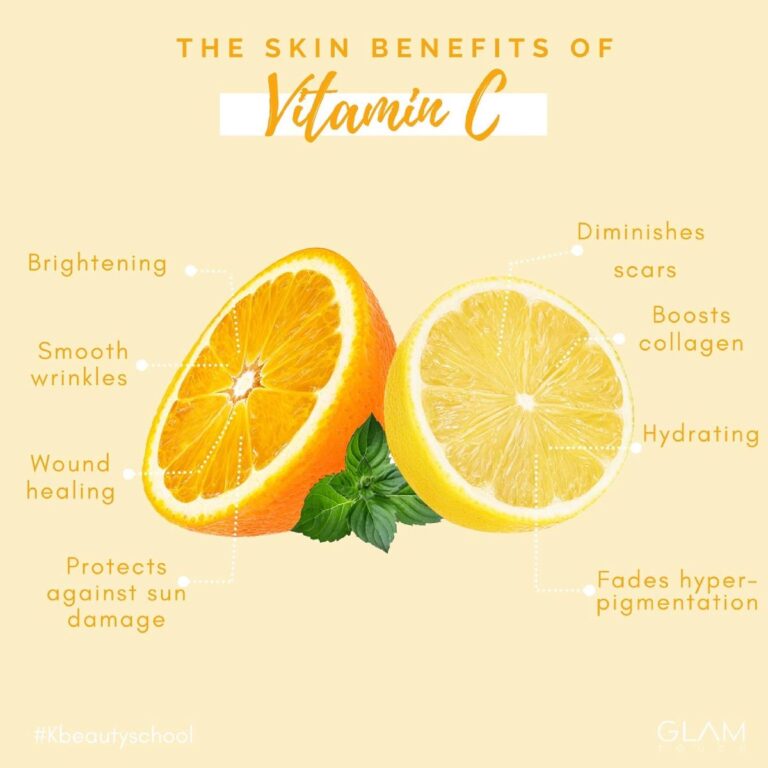
Vitamin C is one of the most popular ingredients for treating post-inflammatory hyperpigmentation.
As a powerful antioxidant, it helps brighten the complexion and improve overall skin tone.
Vitamin C may help reduce excess pigmentation by interfering with melanin production, which contributes to dark spots.
Regular use often leads to a brighter complexion and more even skin tone over time.
Results typically develop gradually, making consistency essential.
Consider Niacinamide
Niacinamide has become one of the most recommended skincare ingredients for improving discoloration.
This form of Vitamin B3 helps support the skin barrier while reducing the transfer of pigment within the skin.
Many people appreciate niacinamide because it is generally well tolerated and suitable for most skin types.
In addition to helping fade dark marks, it can improve redness, hydration, and overall skin texture.
Retinol Can Improve Both Marks and Texture
Retinol is widely regarded as one of the most effective skincare ingredients for long-term skin improvement.
By increasing cell turnover, retinol helps remove older skin cells more efficiently and encourages the production of new cells.
This process can gradually improve both discoloration and mild textural irregularities.
Retinol also stimulates collagen production, which may help improve certain types of acne scars over time.
Because retinol can cause irritation initially, it should be introduced gradually into a skincare routine.
Gentle Exfoliation Can Support Skin Renewal
Exfoliation helps remove dead skin cells from the surface of the skin, allowing newer cells to emerge more quickly.
When used appropriately, exfoliation may help improve skin tone and accelerate the fading of dark marks.
However, excessive exfoliation can damage the skin barrier and worsen inflammation.
Gentle exfoliation one or two times per week is often sufficient for most individuals.
Patience remains important because aggressive exfoliation rarely produces faster results.
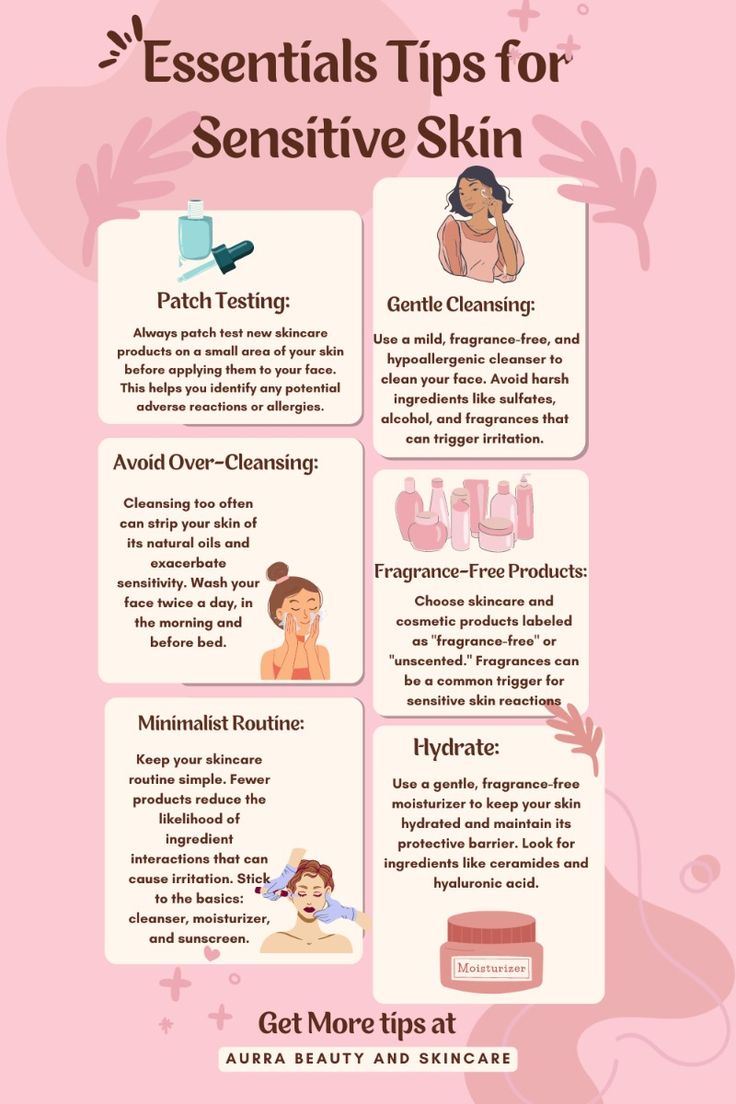
Prioritize Skin Barrier Health
Many people focus exclusively on treating discoloration while overlooking the importance of skin barrier health.
A healthy skin barrier supports proper healing and reduces inflammation.
When the barrier becomes damaged, irritation increases and progress often slows.
Moisturizers containing ceramides, glycerin, squalane, and hyaluronic acid help maintain hydration and strengthen the skin’s natural defenses.
Healthy skin generally responds more effectively to treatment.
Stay Consistent With Your Routine
One of the biggest mistakes people make when treating acne marks is constantly changing products.
Many skincare ingredients require several weeks or months to produce visible improvements.
Switching products too frequently prevents the skin from benefiting from consistent treatment.
Creating a simple routine and maintaining it over time often yields better results than repeatedly experimenting with new products.
Consistency is often more important than product quantity.
Professional Treatments for Acne Scars
While topical skincare can improve many concerns, deeper acne scars may require professional intervention.
Dermatologists offer a variety of treatments designed to improve scar appearance.
Microneedling stimulates collagen production by creating controlled micro-injuries within the skin.
Chemical peels encourage skin renewal and may improve discoloration.
Laser treatments target both pigmentation and scar texture while promoting collagen remodeling.
Dermal fillers may be used to improve certain depressed scars.
The most appropriate treatment depends on scar type, skin tone, severity, and individual goals.
Consulting a qualified dermatologist can help determine the best approach.
Lifestyle Factors That Influence Healing
Skin healing is influenced by more than skincare products alone.
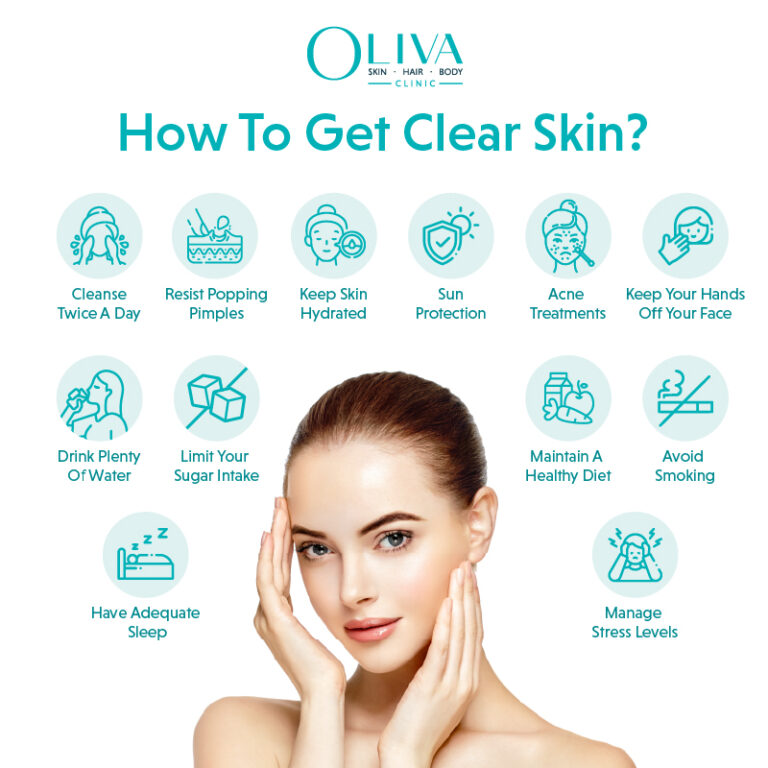
Adequate sleep supports cellular repair and regeneration.
A balanced diet rich in vitamins, minerals, antioxidants, and healthy fats helps provide the nutrients necessary for healthy skin function.
Managing stress may also contribute to healthier skin, as chronic stress can increase inflammation throughout the body.
While lifestyle changes may not eliminate scars directly, they help create an environment that supports optimal skin recovery.
Common Mistakes That Slow Progress
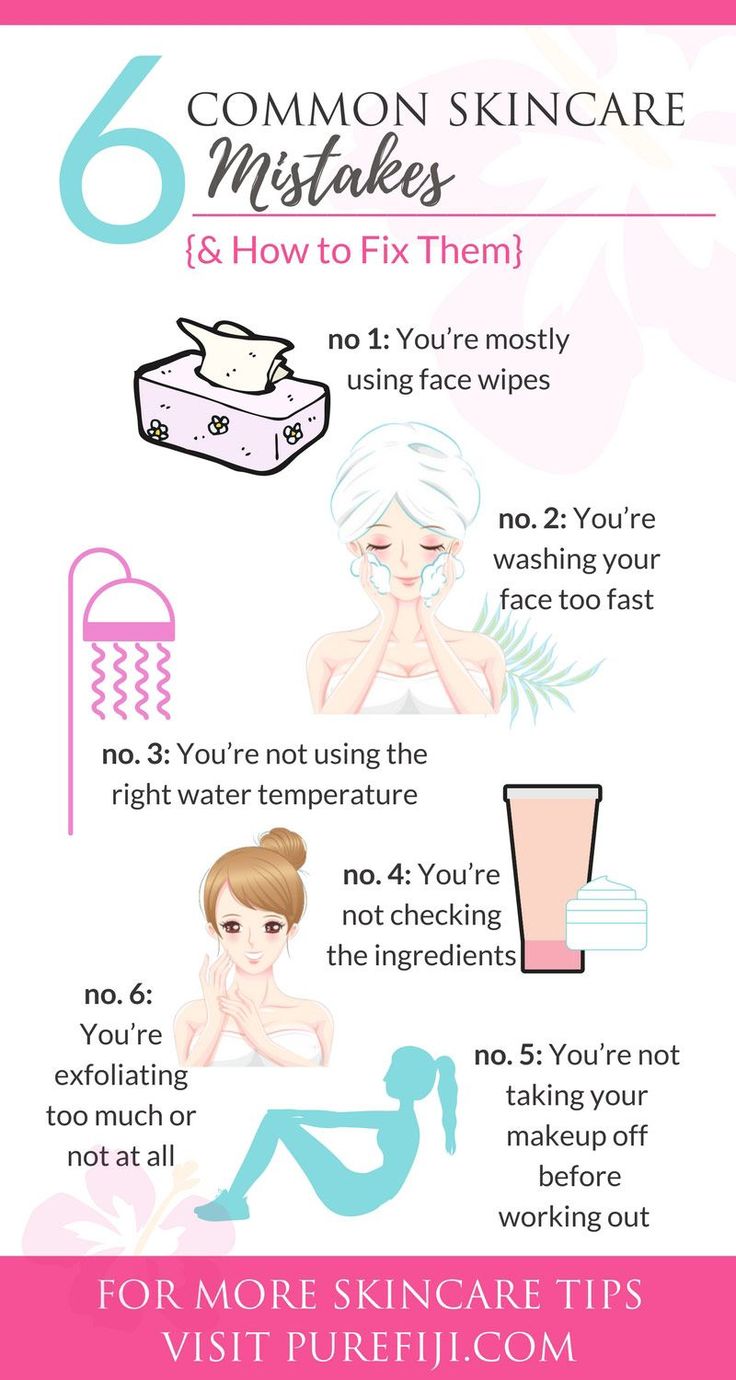
Many individuals unknowingly make choices that delay improvement.
Picking at blemishes remains one of the most damaging habits and significantly increases the risk of scarring.
Skipping sunscreen allows pigmentation to worsen and persist longer.
Using multiple strong treatments simultaneously often causes irritation and inflammation.
Expecting overnight results can also lead to frustration and inconsistent product use.
Understanding that skin improvement takes time helps maintain realistic expectations.
How Long Does It Take to Fade Acne Marks?
The timeline varies considerably depending on the severity of the marks and the treatments being used.
Mild dark spots may begin fading within several weeks.
More stubborn hyperpigmentation can require several months of consistent treatment.
Textural acne scars often take longer to improve and may require professional procedures for significant results.
While the process can feel slow, gradual improvement is often achievable with patience and persistence.
Building a Simple Routine for Acne Marks
An effective routine does not need to be complicated.
A gentle cleanser helps maintain skin health without causing irritation.
A treatment ingredient such as Vitamin C, niacinamide, or retinol can target discoloration and support skin renewal.
A moisturizer helps strengthen the skin barrier and maintain hydration.
Daily sunscreen protects progress and prevents further pigmentation.
This simple foundation can support healthier skin while addressing acne-related concerns.
Final Thoughts
Acne scars and dark marks can be frustrating, but they do not have to be permanent. With the right combination of skincare, sun protection, patience, and consistency, many people can significantly improve the appearance of post-acne discoloration and textural irregularities.
Ingredients such as Vitamin C, niacinamide, and retinol can support skin renewal and help fade stubborn marks over time. Daily sunscreen remains one of the most important tools for preventing further pigmentation and protecting healing skin.
While deeper scars may require professional treatment, many individuals see meaningful improvement through a consistent skincare routine and healthy lifestyle habits. Progress may be gradual, but every step toward healthier skin contributes to a smoother, brighter, and more confident complexion.