The Most Common Skincare Mistakes and How to Avoid Them: Transform Your Routine for Radiant Skin
Are you frustrated with dull skin despite following a seemingly perfect routine? Many people unknowingly sabotage their complexion with simple oversights. This article reveals the most common skincare mistakes and how to avoid them, giving you clear steps to achieve healthier, glowing skin.
Key Takeaways
- Over‑cleansing strips natural oils; cleanse twice daily with a gentle formula.
- Skipping sunscreen accelerates aging; apply SPF 30+ every morning.
- Using expired products can irritate; check PAO dates regularly.
- Over‑exfoliating damages the barrier; limit to 2‑3 times weekly.
- Neglecting neck and décolleté leads to uneven tone; extend products downward.
The Most Common Skincare Mistakes and How to Avoid Them: Overview
Understanding where routines go wrong is the first step toward correction. Below, we break down each frequent error, explain why it harms the skin, and offer practical fixes you can implement today.
The Most Common Skincare Mistakes and How to Avoid Them: Daily Habits to Change
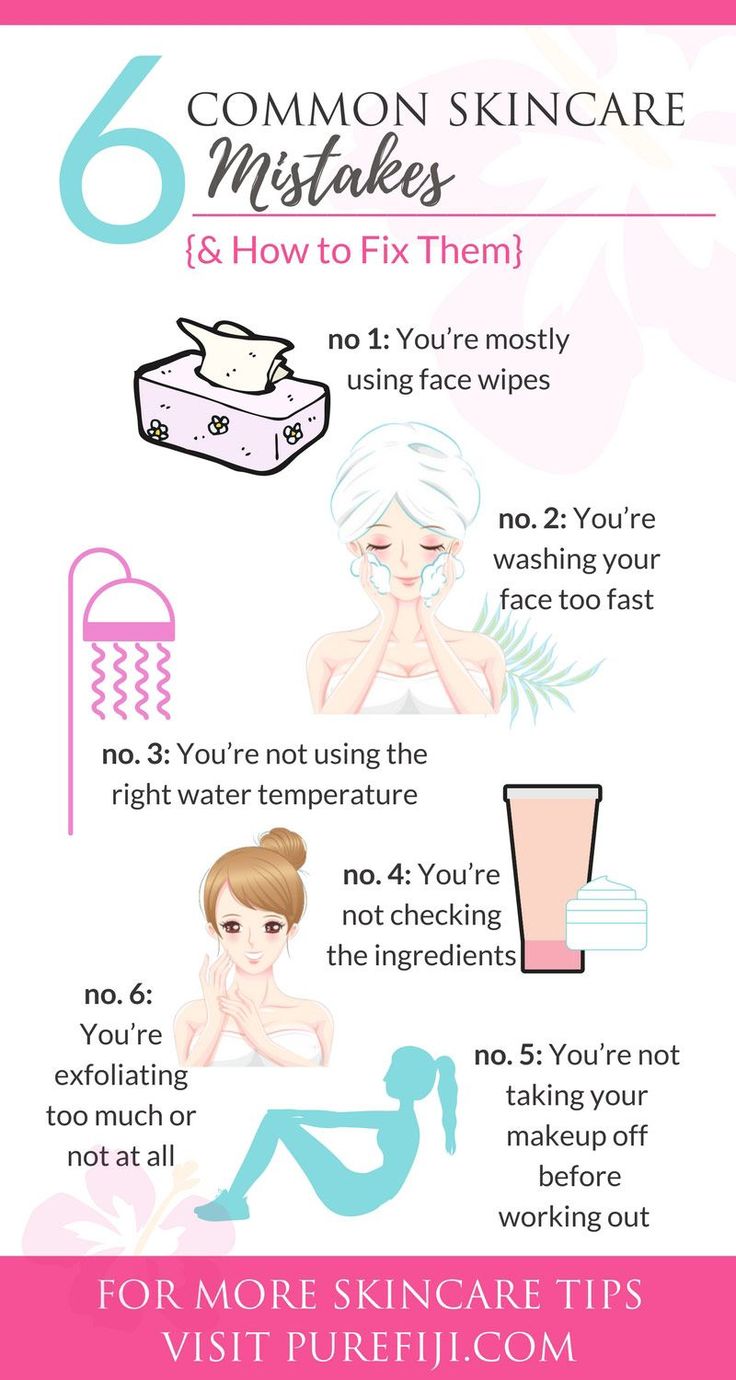
First, examine your cleansing routine. Over‑cleansing, especially with harsh sulfates, removes essential lipids and triggers overproduction of oil. Consequently, your skin may feel tight yet appear greasy. To fix this, choose a sulfate‑free cleanser and limit washing to morning and night.
Second, many forget sunscreen on cloudy days or indoors. UV rays penetrate windows and clouds, causing cumulative DNA damage. As a result, fine lines and hyperpigmentation appear earlier. Therefore, make sunscreen the last step of your morning regimen, applying a nickel‑sized amount to face and neck.
Over‑Exfoliation and Barrier Damage
Exfoliation removes dead cells, but doing it too often compromises the stratum corneum. When the barrier is weakened, irritants penetrate more easily, leading to redness and sensitivity. Hence, limit physical scrubs to once weekly and chemical exfoliants (AHAs/BHAs) to two‑three times weekly, monitoring your skin’s response.
In addition, always follow exfoliation with a hydrating serum or moisturizer to replenish lipids. This step restores balance and prevents transepidermal water loss. Consequently, your skin feels smoother and less prone to flare‑ups.
Using Expired or Improperly Stored Products
Skincare actives like vitamin C and retinol degrade when exposed to light and air. Using expired formulas not only wastes money but can also provoke irritation or breakouts. Therefore, check the period‑after‑opening (PAO) symbol on each container and store products in a cool, dark place.
Furthermore, avoid dipping fingers directly into jars; use a spatula or pump to minimize contamination. By adopting these habits, you extend product efficacy and protect your skin from unnecessary stress.
Neglecting the Neck and Décolleté
Many focus solely on the face, forgetting that neck skin is thinner and shows aging faster. Ignoring this area creates a stark contrast between a youthful face and an aged neck. As a result, overall appearance suffers.
To avoid this, extend every facial product—cleanser, toner, serum, moisturizer, and sunscreen—down to the neck and chest. Use upward motions to promote circulation. Consequently, you maintain uniform tone and texture across the treated area.
Picking at Blemishes
Popping pimples seems like a quick fix, but it pushes bacteria deeper and increases inflammation. This habit often leads to scarring, hyperpigmentation, and prolonged healing time. Therefore, resist the urge to squeeze and instead treat spots with targeted benzoyl peroxide or salicylic acid.
If a lesion is particularly painful, apply a cold compress to reduce swelling and let it heal naturally. Over time, you’ll notice fewer marks and clearer skin.
Choosing the Wrong Moisturizer for Your Skin Type
A heavy cream on oily skin can clog pores, while a lightweight gel on dry skin may insufficiently seal moisture. Mismatched moisturizers disrupt the skin’s natural balance, causing either excess shine or persistent tightness. Accordingly, identify your skin type—oily, dry, combination, or sensitive—and select a formula with appropriate occlusives and humectants.
For oily skin, look for non‑comedogenic, water‑based moisturizers containing niacinamide. For dry skin, opt for richer creams with ceramides and fatty acids. Consequently, your skin stays hydrated without feeling greasy or stripped.
Skipping Patch Tests for New Products
Introducing a new active without testing can trigger allergic reactions or irritant dermatitis. Even “natural” ingredients like essential oils may cause sensitivity in certain individuals. Thus, always perform a patch test on a discreet area, such as behind the ear or inner forearm, for 48 hours before full application.
If no redness, itching, or swelling occurs, the product is likely safe to use. This simple step prevents uncomfortable flare‑ups and saves you from abandoning potentially beneficial items prematurely.
Sleeping with Makeup On
Makeup traps pollutants, oil, and dead cells against the skin overnight. This environment fosters bacterial growth and clogs pores, leading to breakouts and dull complexion. Consequently, you wake up with a tired appearance and increased risk of irritation.
Make removal a non‑negotiable nightly ritual. Use a gentle cleanser or micellar water followed by your regular wash. As a result, your skin can breathe, repair, and regenerate while you sleep.
Frequently Asked Questions
What is the single most damaging skincare mistake for long‑term skin health?
Consistently skipping sunscreen ranks as the most harmful oversight. UV exposure accelerates collagen breakdown, induces pigmentation, and raises skin cancer risk. Applying broad‑spectrum SPF daily protects against these cumulative effects and preserves youthful resilience.
How can I tell if I’m over‑exfoliating?
Signs of over‑exfoliation include persistent tightness, redness, flaking, and increased sensitivity to products that previously caused no reaction. If you notice these symptoms, cut back exfoliation frequency to once weekly and focus on barrier‑repairing ingredients like ceramides and panthenol.
Is it necessary to change my skincare routine with the seasons?
Yes. Environmental shifts affect hydration levels and barrier function. In winter, incorporate richer moisturizers and humidifiers to combat dryness. In summer, prioritize lightweight, oil‑free formulas and increase sunscreen re‑adjustment frequency. Adjusting your routine ensures optimal protection year‑round.
Can diet influence the effectiveness of my topical skincare?
Absolutely. Nutrients such as omega‑3 fatty acids, zinc, and antioxidants support skin repair and inflammation control. A diet high in processed sugars and dairy may exacerbate acne for some individuals. Pairing a balanced diet with your topical regimen amplifies results and promotes lasting clarity.
Call‑to‑Action: Start Your Skincare Transformation Today
Ready to ditch the mistakes and glow?
Download our free “Skincare Mistake‑Checker” checklist and get personalized tips delivered to your inbox.