How to Keep Sensitive Skin Calm, Healthy, and Protected
Sensitive skin can be one of the most challenging skin types to manage. A product that works perfectly for one person may cause redness, irritation, or discomfort for someone with sensitive skin. Many people struggle with unexpected reactions, dryness, itching, burning sensations, and flare-ups that seem to appear without warning.
The good news is that sensitive skin can be managed successfully with the right approach. By understanding what triggers sensitivity and building a gentle skincare routine, you can help your skin remain calm, healthy, and resilient over time.
In this guide, we’ll explore what sensitive skin is, common causes of irritation, and practical strategies to protect and strengthen your skin barrier.
What Is Sensitive Skin?
Sensitive skin is not necessarily a medical condition. Instead, it describes skin that reacts more easily to environmental factors, skincare products, or lifestyle habits.
People with sensitive skin often experience symptoms such as redness, stinging, burning, itching, dryness, or discomfort after using certain products. These reactions can occur because the skin barrier is weakened, allowing irritants to penetrate more easily.
While anyone can experience sensitivity from time to time, some individuals naturally have more reactive skin than others.
Common Causes of Sensitive Skin
Understanding what triggers your skin can help prevent irritation before it starts.
One of the most common causes of sensitivity is a damaged skin barrier. The skin barrier acts as a protective shield, keeping moisture in and harmful substances out. When this barrier becomes compromised, the skin becomes more vulnerable to irritation.
Environmental factors can also contribute to sensitivity. Extreme temperatures, strong winds, low humidity, and excessive sun exposure can weaken the skin and trigger flare-ups.
Many skincare products contain ingredients that may irritate sensitive skin. Fragrances, alcohol-based formulations, harsh exfoliants, and strong active ingredients are common culprits.
Stress, lack of sleep, poor diet, and hormonal changes may also influence skin sensitivity by affecting the body’s natural repair processes.
How to Identify Sensitive Skin
Sensitive skin often shows warning signs when something is not right.
You may notice that your skin frequently feels tight after cleansing. Certain products may cause stinging or burning shortly after application. Redness may appear even without visible irritation, and your skin may become dry or flaky more easily than expected.
If your skin reacts regularly to new skincare products, weather changes, or cosmetic treatments, sensitivity may be a factor.
The Importance of a Healthy Skin Barrier
The skin barrier plays a critical role in maintaining healthy skin. Think of it as your body’s first line of defense.
When the barrier is strong, it helps lock in moisture and protect against pollutants, allergens, and irritants. When it becomes damaged, the skin loses water more easily and becomes increasingly reactive.
Many people focus on treating symptoms rather than addressing the underlying barrier damage. Strengthening the skin barrier should be the foundation of any sensitive skincare routine.
Building a Gentle Skincare Routine
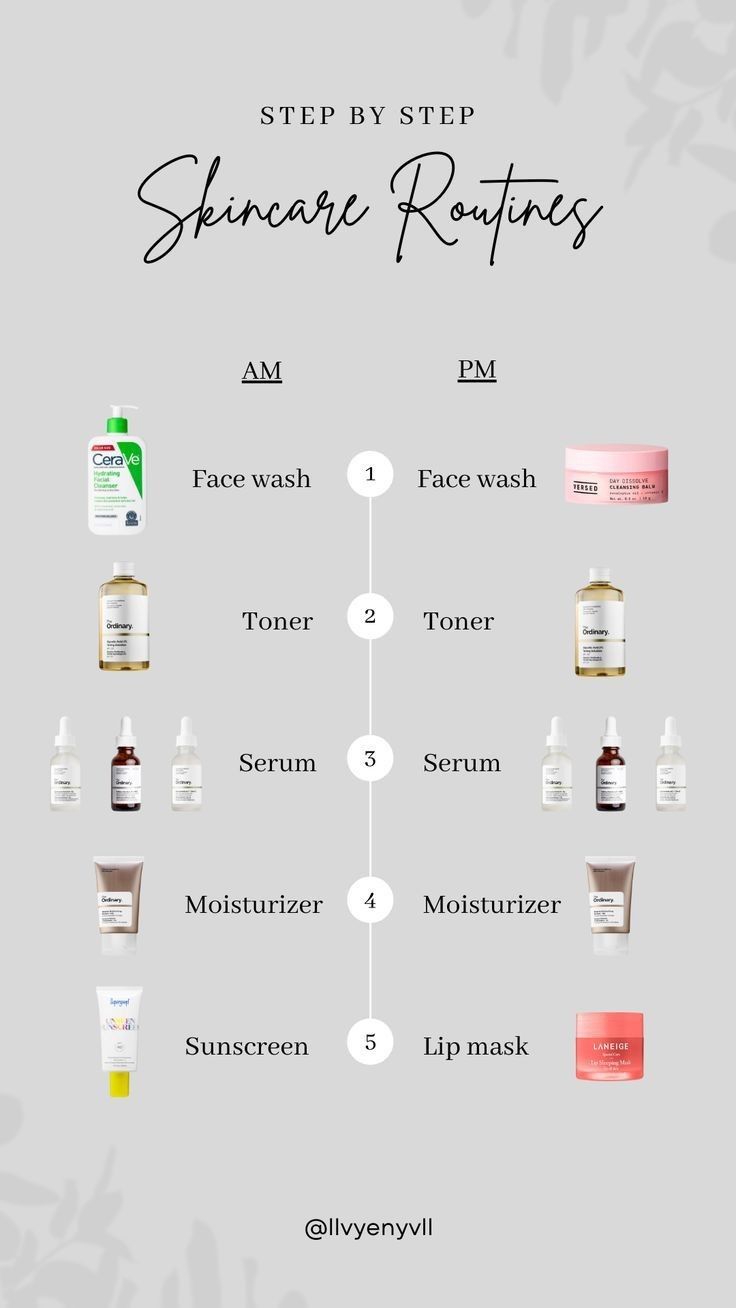
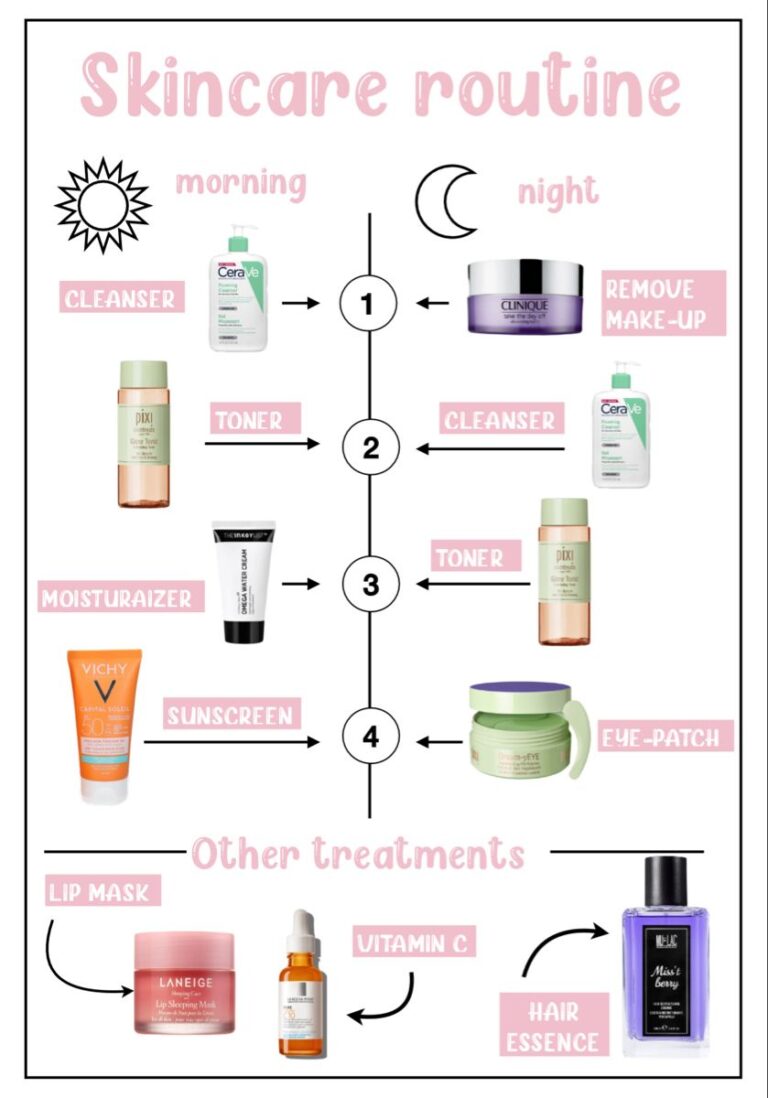
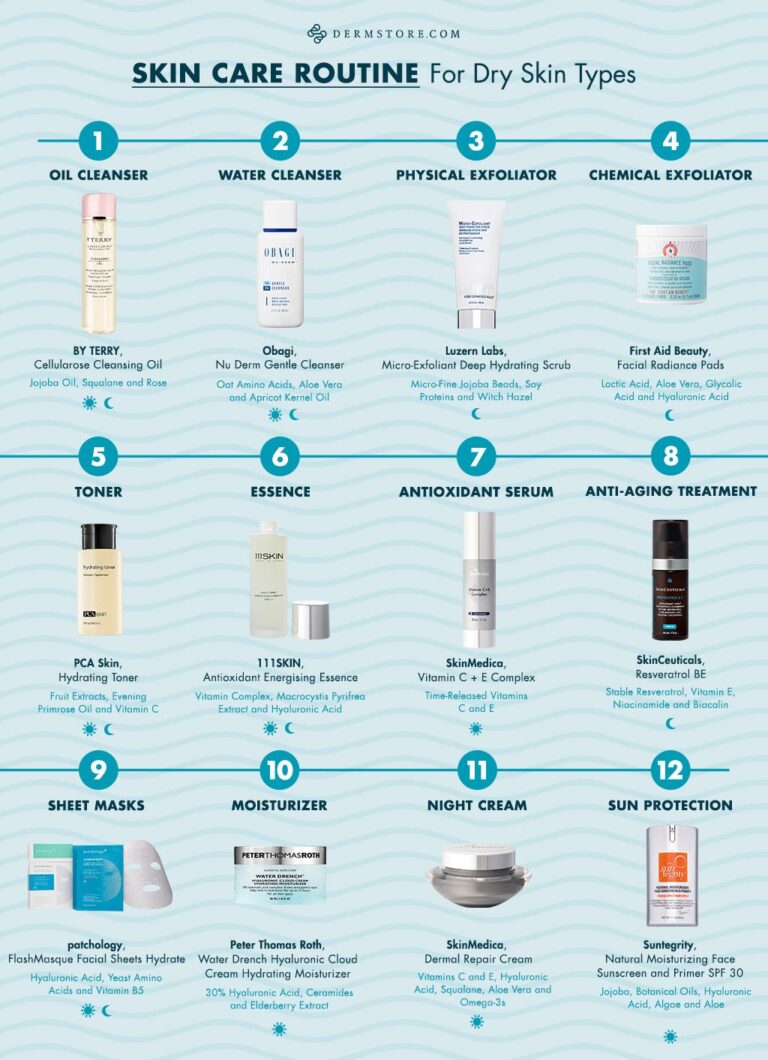
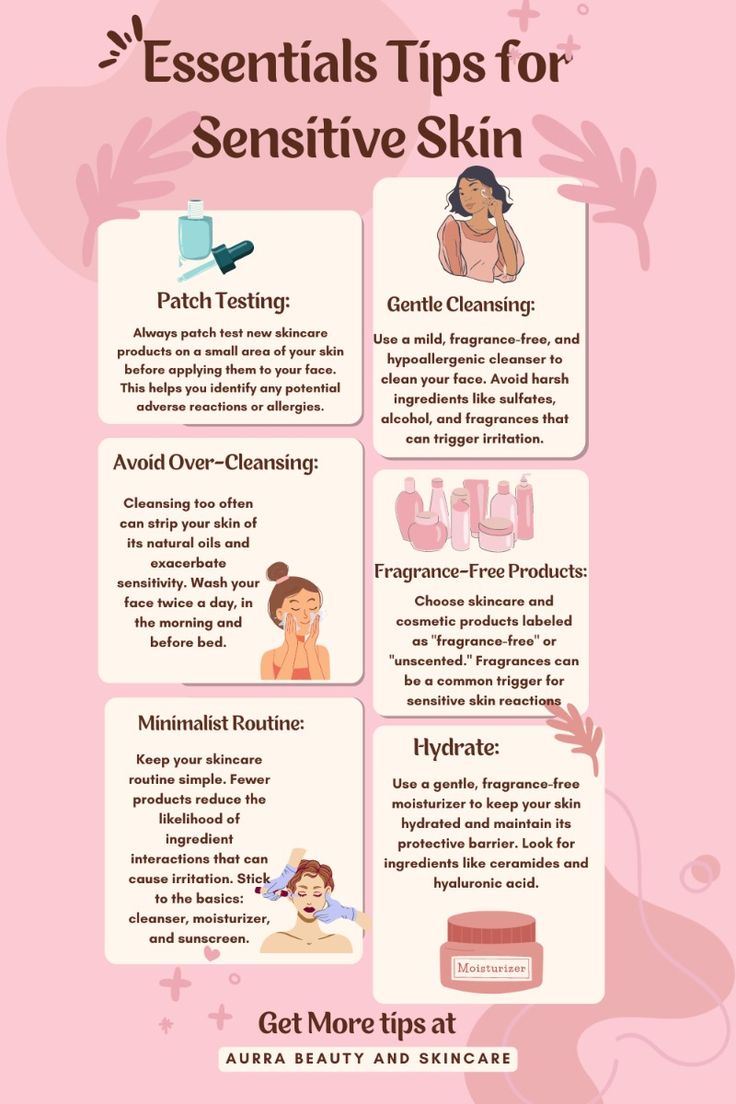
Sensitive skin benefits most from simplicity. Using too many products often increases the risk of irritation.
Start with a gentle cleanser that removes dirt and excess oil without stripping the skin. Avoid cleansers that leave your face feeling tight or squeaky clean. A mild, hydrating formula is usually the safest choice.
After cleansing, apply a moisturizer designed to support the skin barrier. Moisturizers containing ceramides, glycerin, squalane, and panthenol can help restore hydration while reducing irritation.
During the daytime, sunscreen should always be part of your routine. Ultraviolet radiation can worsen sensitivity and contribute to long-term skin damage. A broad-spectrum sunscreen with SPF 30 or higher provides essential protection.
At night, focus on hydration and repair rather than aggressive treatments. A simple routine often produces better results than a complicated one.
Choosing the Right Ingredients
Some skincare ingredients are particularly beneficial for sensitive skin.
Ceramides help rebuild the skin barrier and reduce moisture loss. They naturally occur within the skin and are often recommended by dermatologists for barrier repair.
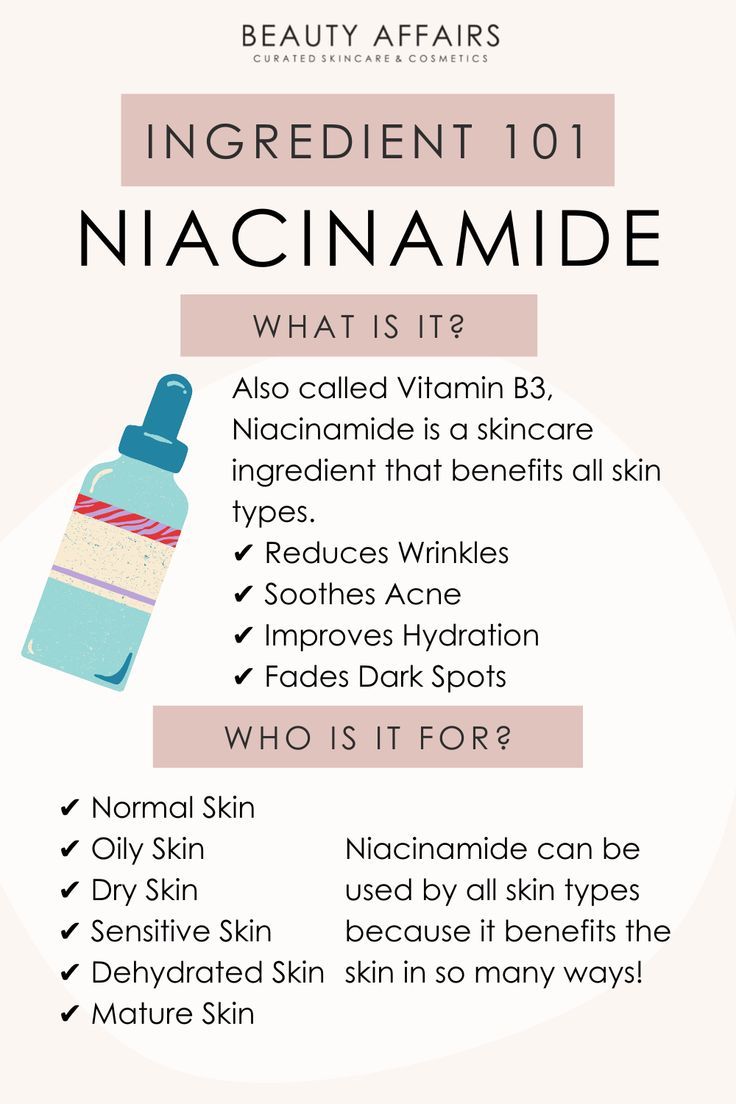
Niacinamide is another valuable ingredient because it helps strengthen the skin barrier, improve hydration, and reduce visible redness.
Panthenol, also known as provitamin B5, has soothing properties and supports skin healing.
Hyaluronic acid can help increase hydration levels without feeling heavy or greasy, making it suitable for most sensitive skin types.
Aloe vera is often used to calm irritation and provide lightweight moisture.
These ingredients generally work well because they focus on supporting skin health rather than aggressively altering skin function.
Ingredients That May Cause Irritation
Not every ingredient is problematic for everyone, but certain substances are more likely to trigger reactions.
Artificial fragrances are among the most common causes of skincare irritation. Even products labeled as natural may contain fragrance compounds that sensitive skin finds difficult to tolerate.
Denatured alcohol can contribute to dryness and barrier damage when used frequently.
Strong exfoliating acids and high concentrations of active ingredients may overwhelm sensitive skin, especially when introduced too quickly.
Essential oils, while popular in natural skincare products, can also trigger irritation in some individuals.
This does not mean these ingredients are universally harmful. However, individuals with sensitive skin should approach them cautiously.
Why Patch Testing Matters
Before introducing any new product, patch testing is highly recommended.
Apply a small amount of the product to an area such as the inner forearm or behind the ear. Monitor the area for 24 to 48 hours before applying the product to your face.
Patch testing helps identify potential reactions while minimizing the risk of widespread irritation.
Although it requires patience, this simple step can save you from significant discomfort and skin damage.
The Role of Sun Protection
Sun exposure is one of the most overlooked triggers of skin sensitivity.
Even brief exposure to ultraviolet rays can contribute to inflammation, redness, and barrier damage. Over time, repeated sun exposure may worsen sensitivity and accelerate visible signs of aging.
Daily sunscreen use helps reduce these risks and supports long-term skin health.
Many people with sensitive skin prefer mineral sunscreens containing zinc oxide or titanium dioxide because these ingredients are generally less irritating than some chemical filters.
Lifestyle Habits That Support Sensitive Skin
Healthy skin is influenced by more than skincare products alone.
Adequate sleep allows the skin to repair itself more effectively. During sleep, the body increases cell regeneration and recovery processes that help maintain skin health.
Stress management is equally important. Chronic stress can trigger inflammation throughout the body, which may contribute to increased skin sensitivity.
A balanced diet rich in fruits, vegetables, healthy fats, and antioxidants supports overall skin function. Nutrients found in foods such as salmon, avocados, nuts, and leafy greens may help strengthen the skin from within.
Staying hydrated also supports healthy skin function and can help maintain a more comfortable complexion.
Common Mistakes Sensitive Skin Types Should Avoid
One of the biggest mistakes is constantly changing skincare products. Frequent experimentation can make it difficult to identify triggers and often leads to additional irritation.
Over-exfoliation is another common issue. Many people believe exfoliating more often will improve their skin, but excessive exfoliation can severely damage the skin barrier.
Using multiple active ingredients simultaneously can also overwhelm sensitive skin. Products containing retinoids, acids, and exfoliants should be introduced gradually and carefully.
Ignoring sunscreen is equally problematic because sun damage often worsens existing sensitivity.
Finally, avoid using products simply because they are trending online. What works for someone else may not be suitable for your skin.
When to See a Dermatologist
If redness, irritation, itching, or discomfort becomes persistent, professional guidance may be necessary.
Certain skin conditions, including eczema, rosacea, psoriasis, and allergic contact dermatitis, can mimic sensitive skin symptoms. A dermatologist can help identify the underlying cause and recommend appropriate treatment.
Seeking professional advice early may prevent symptoms from becoming more severe over time.
Final Thoughts
Sensitive skin requires patience, consistency, and a gentle approach. While it can be frustrating to deal with irritation and unexpected reactions, building a simple routine focused on barrier support can significantly improve skin health.
Prioritize gentle cleansing, daily moisturizing, and consistent sun protection. Choose products with soothing, skin-supportive ingredients and avoid the temptation to overcomplicate your routine.
Over time, these habits can help strengthen your skin barrier, reduce sensitivity, and create a healthier, more comfortable complexion. Healthy skin is not achieved through aggressive treatments but through consistent care that respects and protects the skin’s natural balance.